Understanding Tenerife's Unique Geography
Tenerife, the largest of the Canary Islands, is often misrepresented by visitors who only experience the sun-soaked southern resorts. This island, lying closer to Africa than mainland Spain, boasts diverse geological and climatic zones that significantly impact travelers' experiences. When planning your trip, it's crucial to understand these geographical nuances to fully appreciate what Tenerife has to offer. For a comprehensive guide on travel options, the Tenerife travel shop provides valuable insights into navigating these distinct environments.
How Geography Influences Destinations
Tenerife's geography is marked by its central volcanic mountain, Mount Teide, which rises to 3,715 meters and dominates the island's landscape. The south, characterized by arid conditions and abundant sunshine, is developed predominantly for tourism, while the north offers a lush, verdant environment that many locals prefer. Understanding these contrasting landscapes will help you choose the right location for your stay and activities.
Key Natural Attractions to Explore
- Mount Teide: A UNESCO World Heritage Site, this dormant volcano is not only the highest peak in Spain but also a hub for unique flora and fauna.
- Las Cañadas del Teide National Park: Home to breathtaking volcanic formations and hiking trails.
- Anaga Rural Park: A lush area with ancient forests, perfect for hiking and enjoying nature.
Best Regions for Different Experiences
When planning your itinerary, consider the various regions of Tenerife, each offering distinct experiences. The bustling Las Américas and Los Cristianos areas are ideal for tourists seeking vibrant nightlife and entertainment. However, for a more authentic experience, the charming towns of La Laguna and Puerto de la Cruz are well worth a visit.
Planning Your Stay: Hotels and Resorts
The choice of accommodation can profoundly influence your vacation experience in Tenerife. There’s a wide range of options, from luxury resorts to budget-friendly hotels. Understanding the pros and cons of each area can help you select the best lodging for your needs.
Choosing the Right Location for Your Trip
When selecting where to stay, consider the type of experience you desire. If you are looking for lively bars and restaurants, the south is your best bet. However, if you prefer a quieter locale with local charm, head to Puerto de la Cruz or La Laguna.
Luxury vs. Budget Accommodation Options
- Luxury: The Ritz-Carlton Abama and Hotel Bahia del Duque offer top-tier amenities and experiences.
- Budget: For travelers watching their wallets, consider hostels or budget hotels in Los Cristianos.
Must-Visit Local Hotels with Authentic Charm
Do not overlook boutique hotels and guesthouses that showcase local culture. The Hotel Casa del Embajador in La Laguna offers a unique atmosphere and historical significance, while the Hotel Marquesa in Puerto de la Cruz combines comfort with traditional Canarian charm.
Exploring Local Culture and Cuisine
To truly appreciate Tenerife, immerse yourself in its culture and cuisine. The island has a rich culinary heritage that reflects its diverse influences, including Spanish, African, and Latin American flavors.
Top Local Dishes You Can’t Miss
- Papas Arrugadas: Small, wrinkly potatoes served with mojo sauce.
- Gofio: A toasted grain flour used in various traditional dishes.
- Fresh Seafood: Look for daily catches of cherne (stone bass) and vieja (parrotfish).
Best Places to Dine and Experience Authentic Flavors
For an authentic dining experience, seek out local tapas bars and eateries. The Mercado de Nuestra Señora de África in Santa Cruz is perfect for sampling various local specialties. Places like Tasca La Rebotica in La Laguna offer delicious home-cooked meals.
Understanding Canarian Dining Etiquette
When dining in Tenerife, it's customary to enjoy meals later in the day, with lunch generally occurring around 2 PM. Tipping isn’t mandatory but is appreciated, especially in local establishments.
Navigating Tenerife: Getting Around the Island
Exploring Tenerife can be seamless if you know your transportation options. While renting a car is popular, the public transportation system is also highly efficient and budget-friendly.
Public Transportation Options and Tips
The TITSA bus network is extensive, connecting major tourist destinations and offering an economical way to see the island. For those unsure, local buses can be a comfortable alternative to driving.
Renting a Car: Pros and Cons
- Pros: Flexibility to explore hidden areas and scenic routes.
- Cons: Parking can be challenging in popular spots; driving in mountainous areas requires caution.
Best Scenic Drives and Routes
Consider driving the TF-21 route to Mount Teide for stunning views and photo opportunities. The winding roads through the Teno Mountains offer breathtaking landscapes and quaint villages.
Unique Experiences: Beyond the Tourist Trail
While the popular attractions are often crowded, Tenerife is dotted with hidden gems waiting to be discovered. Engaging with local customs and traditions will enrich your travel experience.
Hidden Gems and Local Secrets
- Masca: A picturesque village nestled in the mountains, known for its hiking trails.
- La Orotava: A beautifully preserved town with traditional Canarian architecture.
Activities for Adventurers and Nature Lovers
For those seeking adventure, hiking in Anaga Rural Park offers breathtaking views over lush landscapes. Alternatively, whale watching off the coast presents opportunities for encounters with local marine life.
Engaging with the Local Community and Events
Joining local festivals and events can provide insight into Canarian culture. Events like the Carnival of Santa Cruz are known for their vibrant parades and lively atmosphere.
What Should You Know Before Visiting Tenerife?
Before you pack your bags, familiarize yourself with local customs, and be mindful of regional variations in climate. This preparation will help you enjoy your stay to the fullest.
What Currency is Used in Tenerife?
The currency used in Tenerife is the Euro. Be sure to have some cash on hand for smaller establishments.
Are There Local Markets Worth Visiting?
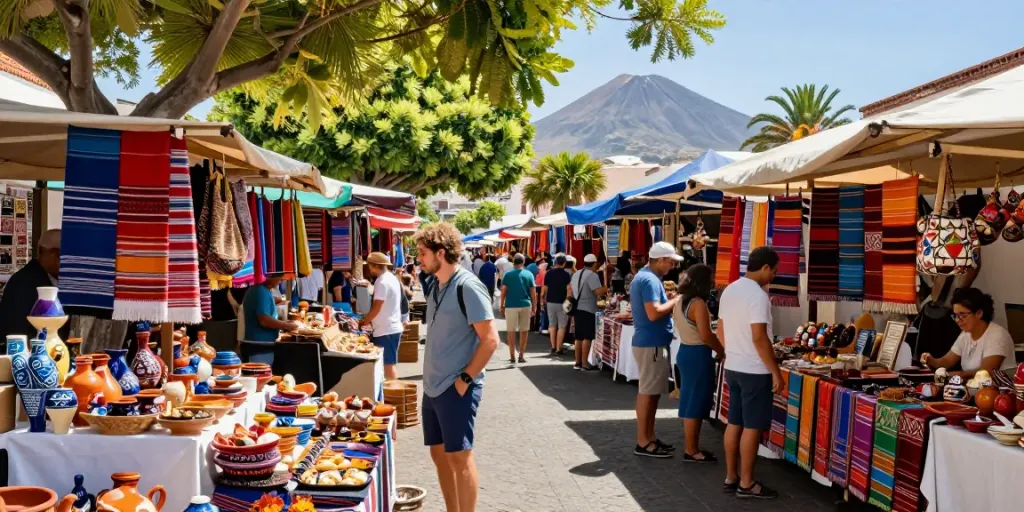
Visiting local markets, like the Mercado de Agricultores in La Laguna, allows you to sample fresh produce and homemade goods.
What Are the Peak Travel Seasons for Tenerife?
Summer months are peak tourist season, but spring (March to May) and late autumn (October to November) offer pleasant weather and fewer crowds.
How to Stay Safe While Traveling in Tenerife?
Tenerife is generally safe for tourists, but it’s always wise to stay aware of your surroundings and avoid isolated areas at night.