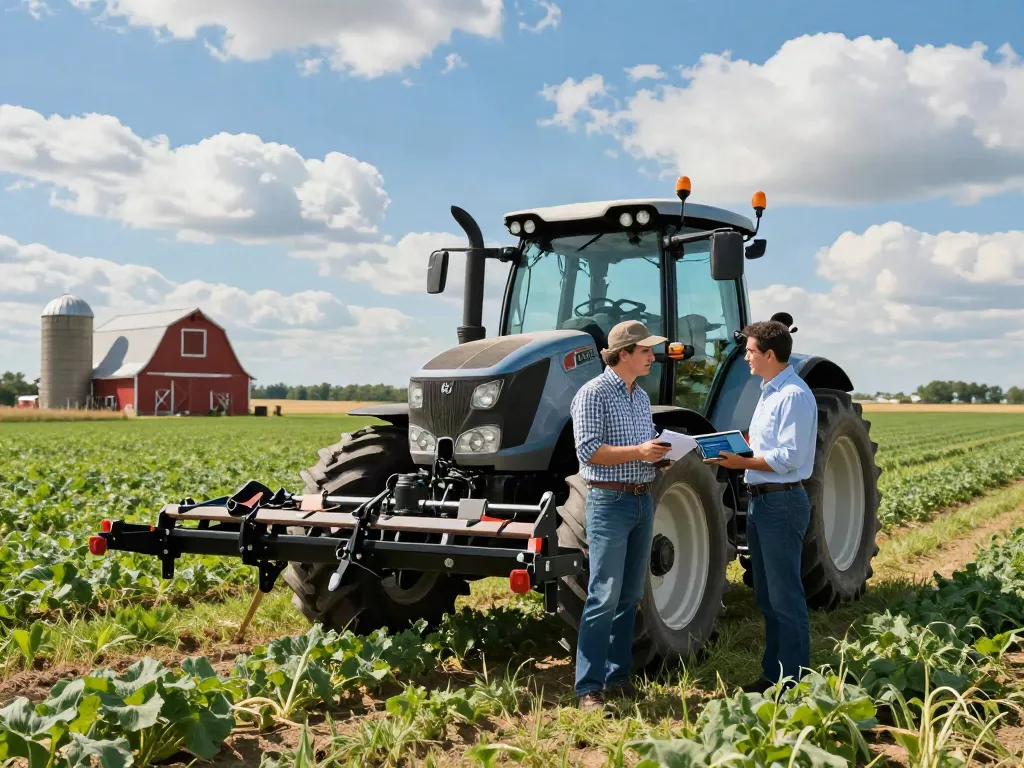
Understanding Agriculture Equipment Financing Brisbane
Agriculture equipment financing is an essential service for farmers and agribusinesses looking to invest in modern machinery without overwhelming their cash flow. In Brisbane, where agriculture plays a vital role in the economy, understanding the nuances of financing is crucial for enhancing productivity and operational efficiency. This article aims to detail the ins and outs of Agriculture Equipment Financing Brisbane, providing insights into how farmers can leverage financing options to meet their machinery needs and secure their business's future.
What is Agriculture Equipment Financing?
Agriculture equipment financing refers to various financial products that enable farmers to acquire necessary equipment without bearing the full cost upfront. This financing can come in the form of loans, leases, or even hire purchases. Typically, these financial arrangements allow farmers to pay for equipment over time, thus preserving their working capital for operational expenses. By spreading out costs, farmers can invest in tractors, harvesters, irrigation systems, and other essential machinery while maintaining a healthy cash flow.
Benefits for Australian Farmers
Farmers across Australia can greatly benefit from agriculture equipment financing. Some of the significant advantages include:
- Improved Cash Flow: Financing reduces the immediate financial burden, allowing farmers to manage their cash flow more effectively.
- Access to Advanced Technology: With financing, farmers can upgrade to the latest equipment, increasing productivity and efficiency.
- Flexible Payment Plans: Many financing options offer customized repayment terms that align with the seasonal income patterns typical in agriculture.
- Preservation of Capital: Instead of depleting savings, farmers can use financing to retain capital for other critical business operations.
Key Terms and Conditions to Know
Understanding financing agreements is crucial for securing the best terms. Here are some essential terms that farmers should familiarize themselves with:
- Interest Rate: The cost of borrowing, usually expressed as a percentage. It can be fixed or variable.
- Loan Term: The duration for which the loan is taken, typically ranging from one to seven years.
- Down Payment: The initial amount paid upfront, which can affect the financing amount and terms.
- Collateral: Some loans require a security interest in the equipment being financed.
Navigating the Financing Process
Steps to Secure Financing
Securing financing for agricultural equipment involves a series of steps that farmers should follow to ensure a successful application:
- Assess Your Needs: Determine the type of equipment required for your farming operation and how it aligns with your production goals.
- Research Options: Investigate different financing products available in the market and compare terms from various lenders.
- Prepare Financial Documentation: Gather necessary financial statements, tax returns, and cash flow projections needed for the loan application.
- Submit Applications: Apply to multiple lenders to increase the chances of securing favorable terms.
- Review Offers: Carefully evaluate loan offers, comparing interest rates, repayment terms, and any fees.
- Finalize the Agreement: Once satisfied, sign the agreement and ensure you understand all terms before proceeding.
Common Application Pitfalls
Farmers should be aware of common pitfalls during the application process:
- Incomplete Documentation: Failure to provide all necessary documents can delay the approval process.
- Overlooking Terms: Not fully understanding the terms of the loan can lead to financial strain later on.
- Ignoring Credit Score: A poor credit rating can significantly impact financing options and rates.
Choosing the Right Lender for Your Needs
Finding the right lender is crucial for securing the best financing terms:
- Specialization: Look for lenders that specialize in agriculture financing, as they will better understand industry needs.
- Reputation: Research lenders’ reputations by reading reviews and asking for recommendations from other farmers.
- Customer Service: Choose a lender that provides excellent service and support throughout the financing process.
Types of Equipment Covered in Financing Solutions
Heavy Machinery and Tractors
Heavy machinery, including tractors, is often the backbone of any agricultural operation. Financing options are typically available for:
- Tractors of various sizes and capabilities.
- Ploughing and tilling machines.
- Heavy-duty trailers and transport vehicles.
Harvesters and Irrigation Systems
Harvesters and irrigation systems are critical for maximizing output. Financing may cover:
- Combine harvesters designed for efficiency.
- Sprinkler systems and drip irrigation setups.
- Water management and storage solutions.
Tools and Smaller Equipment
Smaller equipment is also vital for daily operations:
- Hand tools and power tools.
- Seeders and planters.
- Fencing and pest control equipment.
Real-World Applications of Financing
Case Studies of Successful Financing
Understanding how financing can transform agricultural operations is essential. Here are a few case studies:
- Case Study 1: A family-owned farm in Queensland used financing to acquire a new irrigation system, resulting in a 30% increase in crop yield within the first season.
- Case Study 2: A mid-sized transport business leveraged financing for a fleet of trucks, leading to a 40% reduction in delivery times and increased customer satisfaction.
Impact on Productivity and Efficiency
Financing has a profound impact on agricultural productivity:
- Upgraded machinery can reduce operational downtime.
- Investing in the latest technology promotes better crop management and yield monitoring.
Long-Term Financial Planning for Farmers
Long-term financial health relies on strategic planning:
- Farmers should create budgets that account for both fixed costs and seasonal changes.
- Utilizing financing wisely can help build equity and creditworthiness over time.
Future Trends in Agriculture Equipment Financing
Technology and Its Role in Financing
As technology advances, so does the financing landscape:
- Online lending platforms simplify the application process and provide more competitive rates.
- Data analytics help lenders better assess creditworthiness based on business performance rather than just credit scores.
Predicted Changes in Market Conditions
Market conditions are likely to evolve:
- Expect more flexible financing packages that accommodate seasonal income fluctuation.
- Increased collaboration between lenders and agricultural technology companies to offer bundled solutions.
How to Prepare Your Business for Future Investments
Farmers should take proactive steps to prepare for future investments:
- Stay informed about market trends and potential technological advancements.
- Build a financial buffer to accommodate unexpected expenses or opportunities for investment.
How to get a farm equipment loan?
To get a farm equipment loan, start by assessing your equipment needs, gathering financial documentation, and applying to several lenders for the best rates. Be prepared to provide information about your farming operation and financial history.
What are the current interest rates for equipment loans in Australia?
Current interest rates for equipment loans in Australia can vary but typically range between 4% and 10%, depending on various factors including credit score and loan term.
Which bank is best for farmers in Australia?
The best bank for farmers often depends on individual needs. However, many farmers find that credit unions and agricultural specialist lenders offer competitive rates and tailored services.
How can farmers afford their equipment?
Farmers can afford their equipment through financing options that allow them to spread payments over time while still using the equipment to generate income.
What are the benefits of equipment leasing?
Equipment leasing offers several benefits such as lower upfront costs, flexibility in equipment upgrades, and preserving capital for other operational needs.