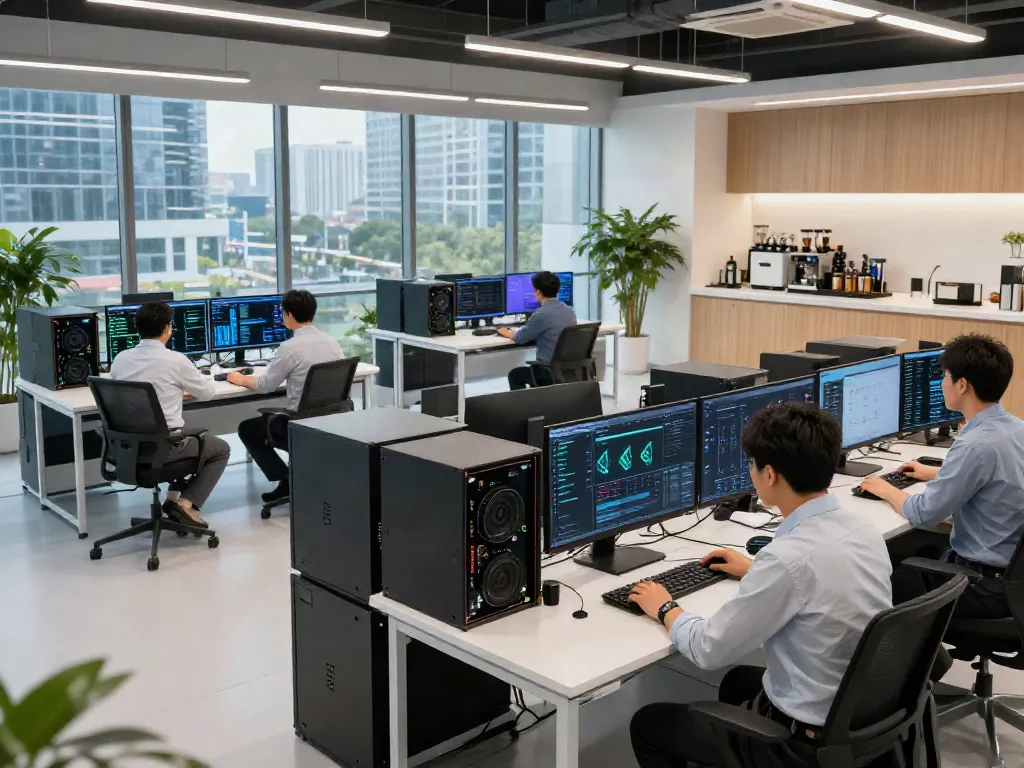
Understanding the AI Token Economy
The AI Token Economy represents a revolutionary system where the utilization of power and computing capacity is metered and transacted using tokens. These tokens are not merely a form of cryptocurrency; rather, they serve as vital units of measurement for AI model usage, paralleling how kilowatt-hours measure electricity. In this burgeoning economy, participants can engage in various capacities, from supporting AI factory operations to benefiting from rewards based on their contributions. When exploring options, AI Token Economy provides comprehensive insights into how these mechanisms function and their implications for individual participants and enterprises alike.
What is the AI Token Economy?
The AI Token Economy is designed around the financial principles that underlie token usage within AI ecosystems. Tokens function as computational billing units that track the input and output associated with AI workloads. Here, each interaction with an AI model—whether it’s generating responses from a language processor or executing predictive analytics—consumes a defined number of tokens. This economy not only facilitates transactions but also incentivizes efficient use of resources.
Key Components of Token-Based AI Services
Understanding the components that make up the AI Token Economy is essential for stakeholders. The core components include:
- Tokens: Units representing computational resources consumed during AI model interactions.
- AI Services: Applications and models that leverage computational resources for tasks such as machine learning and natural language processing.
- Power Infrastructure: The reliable electricity powering the GPUs and servers that execute AI workloads.
- Participant Roles: Different stakeholders including individuals, enterprises, and power providers who play roles in the ecosystem.
Benefits of Participating in the AI Token Economy
Participation in the AI Token Economy offers numerous benefits:
- Revenue Potential: Participants can earn rewards based on their contributions to power AI infrastructures.
- Scalability: The model can adapt and scale according to demand, enabling flexibility for businesses of all sizes.
- Transparency: Token metrics provide a clear overview of resource consumption and contribution, fostering trust among participants.
- Community Building: Engaging with other participants encourages collaboration and innovation.
Power Infrastructure for AI Factories
Reliable and efficient power infrastructure is vital for the seamless operation of AI factories. These factories run complex AI models that require significant computational power, which in turn relies on a steady electricity supply. Without such infrastructure, the entire AI token economy could face disruptions. Understanding the intricacies of how power supports AI operations is essential for maximizing benefits within this economy.
Importance of Reliable Power Sources
AI workloads demand a significant and consistent supply of electricity. A disruption in power can lead to processing delays, increased operational costs, and ultimately, loss of revenue. Therefore, having dedicated and reliable power sources ensures that AI models can operate at peak efficiency and reliability.
How AI Workloads Depend on Power
The interdependence between power and AI operations is crucial. Each AI task processed requires energy at various points, such as:
- Data Processing: Power is needed to operate GPUs and servers that analyze input tokens.
- Model Training: Training complex models consumes vast amounts of energy over extended periods.
- Inference Tasks: Executing real-time data queries requires immediate access to computational power.
Best Practices for Power Management
To ensure optimal performance, AI infrastructure must adopt best practices in power management, including:
- Dynamic Power Allocation: Adjusting power supply based on workload demands can lead to cost savings and efficiency boosts.
- Monitoring Systems: Utilizing software to track power usage helps in forecasting needs and minimizing waste.
- Redundant Power Systems: Establishing backup power sources ensures operational continuity in case of primary source failure.
AI Infrastructure Power Plans Explained
AI Infrastructure Power Plans are structured offerings designed to facilitate participation in the AI Token Economy. These plans provide participants with various levels of power access, tailored to their needs and capacities. Understanding these plans is critical for optimizing participation and maximizing returns.
Overview of Power Plan Options
51 AIpower offers multiple power plan options catering to different scales and needs:
- S1 - Core Power Access: Ideal for individuals looking to start with basic infrastructure support.
- S2 - Enhanced Power Access: Aimed at users who require more stable and reliable power for moderate AI workloads.
- S3 - Advanced Power Access: Designed for higher demand applications needing robust infrastructure.
- M1 - Professional Power Scale: Best suited for enterprises managing significant AI workloads.
- X1 - Large-Scale Power System: For organizations with expansive infrastructure needs.
How to Choose the Right Power Plan
Selecting the appropriate power plan involves considering various factors:
- Workload Requirements: Analyze the computational demands of your AI operations.
- Budget Constraints: Determine how much you are willing to invest in power support.
- Future Scalability: Choose a plan that accommodates potential growth in AI demands.
Calculating Your Contribution Rewards
Your contribution to the AI Token Economy is tracked meticulously under your selected power plan. This process involves:
- Recording electricity usage during the settlement period.
- Identifying eligible AI workloads linked to your power contribution.
- Calculating the corresponding rewards based on operational performance and plan rules.
Building and Scaling AI Infrastructure
Collaboration is key to developing effective AI infrastructures. Scalability not only pertains to power capacity but also involves building partnerships among various stakeholders to foster innovation and optimized performance.
Strategies for Effective Collaboration in AI Projects
Effective collaboration strategies include:
- Shared Goals: Aligning objectives among stakeholders can streamline efforts and lead to more successful projects.
- Transparent Communication: Open channels of dialogue help address issues quickly and encourage teamwork.
- Cross-Disciplinary Teams: Integrating diverse skill sets enhances problem-solving capabilities and innovation.
Measuring Performance and Success Metrics
Success in AI projects hinges on measuring performance through key metrics, such as:
- Token Utilization: Tracking how effectively tokens are consumed against planned projections.
- Operational Efficiency: Evaluating the correlation between power usage and achieved outcomes.
- User Satisfaction: Monitoring end-user feedback to improve AI service offerings.
Future Trends in AI Infrastructure Development
As technology advances, several trends are likely to shape the future of AI infrastructure:
- Decentralized Energy Sources: The rise of renewable energy may lead to more sustainable AI factories.
- AI-Driven Optimization: Advanced algorithms will enhance resource allocation and efficiency.
- Greater Individual Participation: Tools that lower the barriers to entry will allow more individuals to engage in the AI Token Economy.
FAQs About the AI Token Economy
What the AI Token Economy Means for Users?
The AI Token Economy empowers users by enabling them to participate actively in AI operations, with potential financial rewards tied to their contribution in supporting power infrastructure.
Are There Risks Involved in AI Token Investments?
Yes, like any investment, there are risks, including fluctuations in token values and changes in electricity costs impacting profitability. Educating oneself about these risks is crucial for making informed decisions.
How Can I Get Started in AI Token Services?
Getting started involves selecting an appropriate power plan, activating it, and engaging with the AI infrastructure supported by that plan. Participants should ensure they understand the operational mechanics to maximize benefits.
What Are the Most Common Misconceptions?
Common misconceptions include equating AI tokens directly with cryptocurrencies and underestimating the complexity of AI workflows and power dependencies.
How Is the AI Token Economy Evolving for Individuals?
As technology advances, more individuals can participate in the AI Token Economy through accessible platforms and power plans tailored to various needs and capacities. This evolution promises a more democratized approach to AI engagement.