The Role of Neighborhood Associations in Fence Disputes

Understanding the Structure of Neighborhood Associations
Neighborhood associations are community-driven entities designed to foster collaboration among residents and maintain the integrity of their living environment. Typically governed by a board of directors elected from among the residents, these associations can vary widely in structure, size, and formality. In many cases, they operate under a set of bylaws that outline their authority and responsibilities, including the mediation of disputes such as those concerning fence placements.
Most associations include committees or designated members who handle specific issues, including architectural control, which directly relates to fence disputes. These committees are often tasked with ensuring that any modifications to properties adhere to community standards and guidelines, which helps to maintain property values and aesthetics in the neighborhood.
How Associations Establish Guidelines for Property Boundaries
Neighborhood associations play a crucial role in establishing and enforcing guidelines related to property boundaries and fencing. Many communities require homeowners to submit plans for any fence construction or modification to an architectural review committee. These guidelines often include:
- Height restrictions: Most associations have specified maximum heights for fences to maintain visibility and aesthetic appeal.
- Material specifications: Regulations may dictate whether fences can be made of wood, vinyl, metal, or other materials.
- Setback requirements: Guidelines often include how far a fence must be set back from property lines, which can help prevent disputes.
By having these clear guidelines, associations can assist residents in understanding their rights and responsibilities concerning fence construction, thus minimizing the likelihood of disputes before they arise.
The Importance of Community Engagement in Fence Disputes
Community engagement is vital in resolving fence disputes effectively. When residents feel connected to their neighborhood association, they are more likely to participate in discussions about community standards and regulations. This participation can lead to a better understanding of the rules and the rationale behind them, which can help to preemptively address conflicts.
Neighborhood associations can foster engagement through:
- Regular meetings: Hosting open forums where residents can ask questions and express concerns about community guidelines.
- Workshops: Offering workshops on property rights and responsibilities can empower homeowners to make informed decisions.
- Newsletters: Regular communication via newsletters can keep residents informed about changes in guidelines or procedures regarding fences.
Common Causes of Fence Disputes in Neighborhoods
Property Line Misunderstandings
One of the most common causes of fence disputes originates from misunderstandings regarding property lines. Many homeowners may not have a clear understanding of where their property ends and their neighbor's begins. This confusion can lead to disputes when one homeowner builds a fence that encroaches on their neighbor's property.
According to a survey conducted by the American Society of Landscape Architects, approximately 40% of property owners are unaware of their property boundaries, which significantly contributes to these misunderstandings. In many cases, homeowners may rely on outdated surveys or lack the proper documentation to definitively establish their boundaries.
Disagreements Over Aesthetic Preferences
Another frequent source of conflict involves differing aesthetic preferences for fences. A homeowner may favor a tall wooden privacy fence, while their neighbor may prefer a low picket fence for aesthetic reasons. Such differences can lead to disputes, especially if the fence obstructs views or alters the neighborhood's overall appearance.
In many communities, associations have guidelines that dictate acceptable designs and materials for fences. However, personal preferences can still lead to disagreements, which necessitate mediation by the association.
Maintenance Responsibility and Liability Issues
Maintenance responsibilities can also become a point of contention. Disputes may arise when one neighbor believes the other is neglecting their fence, leading to concerns about property value and safety. For instance, if a shared fence falls into disrepair, one homeowner may feel it is the other's responsibility to repair or maintain it.
Legal liability issues can exacerbate these disputes, particularly if a neglected fence causes damage or injury. Neighborhood associations often step in to clarify the responsibilities of each homeowner regarding shared boundaries, helping to mediate and resolve these conflicts.
Procedures Followed by Associations to Address Disputes
Initial Mediation Steps Taken by the Association
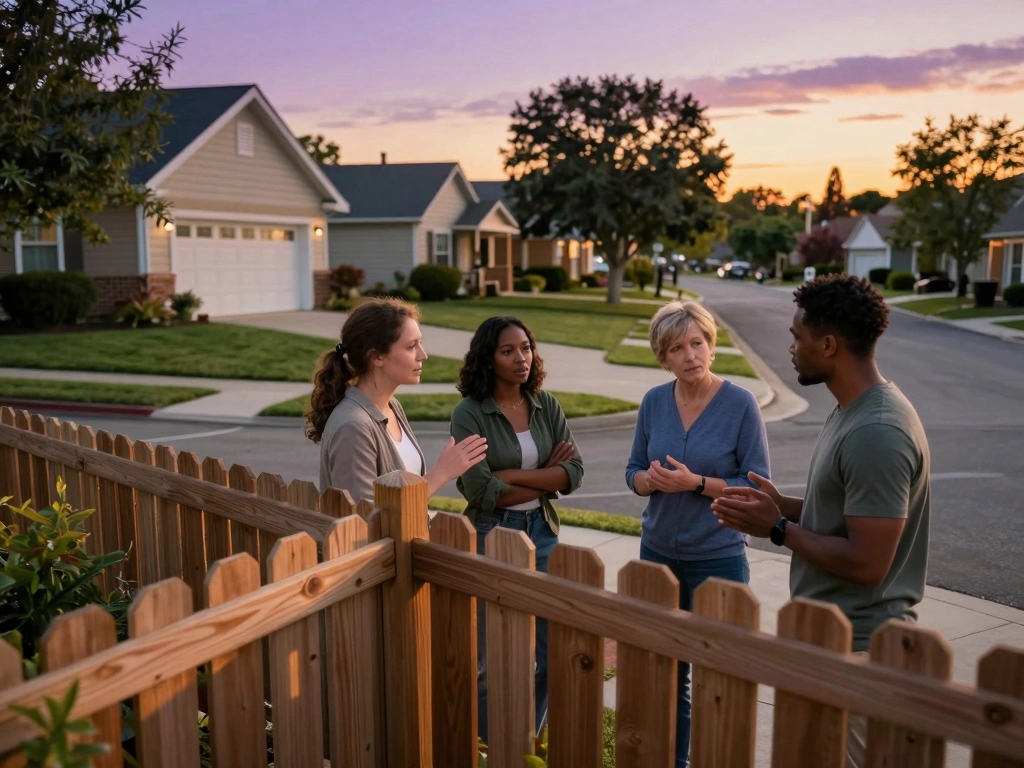
When a fence dispute arises, neighborhood associations typically follow a structured mediation process. The first step involves an informal discussion between the parties involved, often facilitated by a member of the association or a designated mediator. This initial step aims to promote open dialogue and encourage neighbors to express their concerns and perspectives.
Associations may also provide guidelines on how to approach these discussions, emphasizing the importance of respectful communication. If the informal discussion does not lead to a resolution, the association may proceed to more formal mediation steps.
Documentation and Evidence Gathering Processes
To ensure fairness and transparency, neighborhood associations often require documentation from both parties involved in the dispute. This may include:
- Property surveys: Official surveys that outline property boundaries can help clarify where a fence may encroach.
- Photographic evidence: Homeowners may be asked to provide photos of the fence in question and its relation to the property line.
- Written statements: Each party may be requested to submit a written account of the dispute, outlining their concerns and any relevant history.
Gathering this information allows the association to assess the situation comprehensively and make informed decisions during the mediation process.
Formal Hearings and Decision-Making Protocols
If informal mediation and documentation do not lead to a resolution, neighborhood associations may hold a formal hearing. During this hearing, both parties present their cases, supported by documentation and evidence collected earlier. The association's board or mediation committee then deliberates and makes a decision based on the guidelines established in their bylaws.
It is essential that the process remains impartial and fair, with clear communication provided to both parties regarding the outcome. Associations often outline the potential consequences of non-compliance with the decision, which can include fines or further legal action.
Best Practices for Effective Mediation
Encouraging Open Communication Between Neighbors
Effective mediation hinges on open communication between neighbors. Associations can facilitate this by promoting a culture of dialogue and respect. Providing training or resources on conflict resolution can equip residents with the tools needed to engage in constructive conversations.
Furthermore, hosting neighborhood events where residents can socialize and build relationships can help foster a sense of community, making it easier for neighbors to discuss their concerns before they escalate into disputes.
Utilizing Neutral Mediators Within the Association
Neutral mediators play a crucial role in facilitating fair discussions. Neighborhood associations should ensure that the mediators chosen for resolving disputes are impartial and trained in conflict resolution. This helps to build trust among residents, as they can feel confident that their concerns will be addressed fairly.
Many associations find success by rotating mediators or bringing in outside experts for particularly contentious disputes, ensuring that no party feels favored in the process.
Offering Educational Resources on Property Rights
Educational resources can empower homeowners to understand their rights and responsibilities regarding property boundaries and fence regulations. Neighborhood associations can provide workshops, written guides, and online resources that cover:
- Property boundary laws
- Best practices for fence construction
- How to approach neighbors regarding fence disputes
By equipping residents with this knowledge, associations can help prevent disputes from occurring in the first place, leading to a more harmonious community.
Case Studies of Successful Fence Dispute Resolutions
Examples of Effective Mediation Outcomes
There are numerous examples of neighborhood associations successfully mediating fence disputes. In one case, a community association in a suburban neighborhood faced a dispute between two homeowners regarding a newly constructed fence that encroached on shared property lines.
The association facilitated an initial meeting where both parties expressed their concerns. After reviewing property surveys and engaging in open communication, the homeowners reached a compromise: the offending fence was moved back to the proper boundary, and both parties agreed to share maintenance responsibilities for a newly planted hedge along the line. This outcome not only resolved the immediate dispute but also fostered a sense of collaboration between the neighbors.
Lessons Learned from Failed Dispute Resolutions
Not all mediation attempts yield positive results. In another neighborhood, a fence dispute escalated due to communication breakdowns and a lack of adherence to the association's guidelines. Homeowners involved in the dispute refused to engage in mediation, leading to legal action that ultimately strained relationships within the community.
This situation highlighted the importance of early intervention and the need for associations to enforce compliance with their guidelines. It also underscored the necessity of fostering a culture of communication and respect among residents to prevent disputes from escalating.
Long-Term Impact on Community Cohesion and Trust
Successful resolution of fence disputes through neighborhood associations can lead to long-term benefits for community cohesion and trust. When residents feel that their concerns are heard and addressed fairly, they are more likely to engage positively with their neighbors and the association.
Communities that have effectively mediated disputes often report increased participation in neighborhood activities and a stronger sense of belonging among residents. This collective engagement can enhance the overall quality of life in the community, leading to a more harmonious and supportive environment.