Understanding Sewer Line Services in Fort Worth
Sewer line issues can be a significant concern for homeowners in Fort Worth, Texas. These problems can disrupt everyday life and lead to expensive repairs if not addressed promptly. Understanding sewer line service Fort Worth is essential for maintaining your home's plumbing system. This article will explore the ins and outs of sewer line services, their importance, and how to manage your sewer line effectively.
What Are Sewer Line Services?
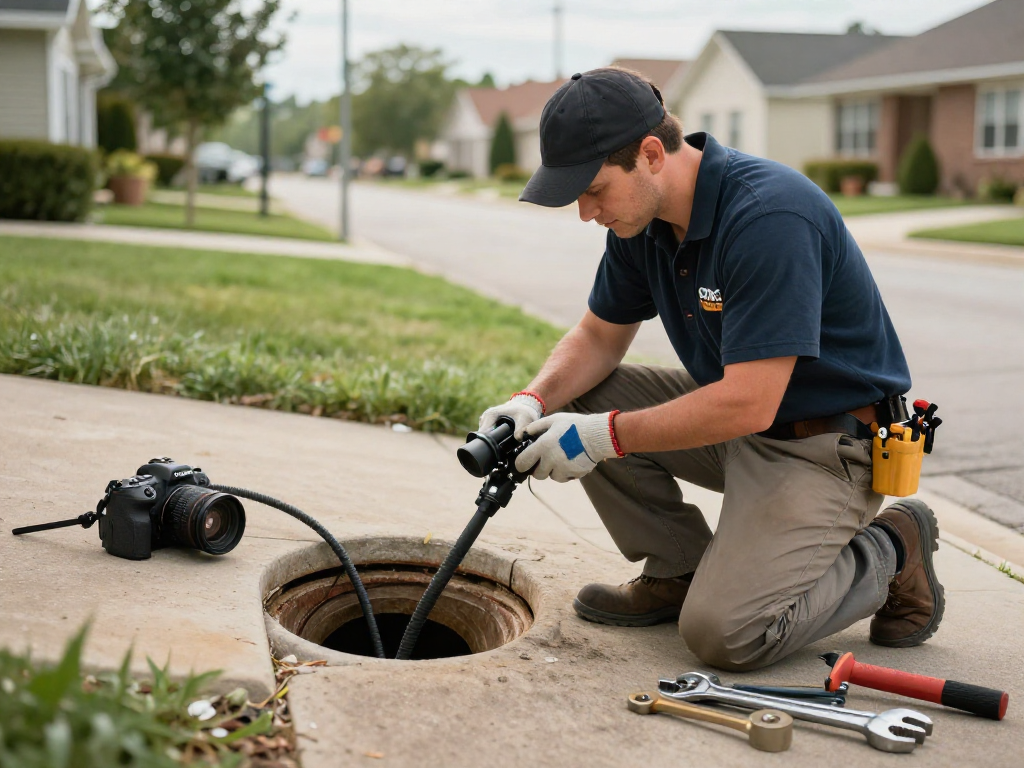
Sewer line services encompass a range of operations aimed at maintaining and repairing the sewer systems that transport wastewater away from your home. These services can include inspections, cleaning, repairs, and installations of new sewer lines. Professionals use various techniques, such as video camera inspections, to identify blockages or damages within the line, ensuring a thorough assessment of the system's health.
Importance of Regular Maintenance
Just like any system in our homes, regular maintenance of sewer lines is crucial. Preventative measures can save homeowners significant costs by avoiding emergency repairs caused by neglect. Routine maintenance checks help catch issues before they escalate, ensuring that the sewer system operates efficiently and effectively. Regular cleaning reduces the risk of clogs and backups, maintaining the integrity of your plumbing system.
Common Sewer Line Issues in Fort Worth
Fort Worth residents may encounter various sewer line issues, including:
- Tree Root Intrusion: Roots can invade sewer lines, leading to blockages and potential collapses.
- Clogs: Grease, hair, and debris can accumulate, causing slow drains and backups.
- Corrosion: Older pipes may corrode, leading to leaks and other structural issues.
- Bellied Pipes: Sections of the pipe may sag, creating dips that collect debris and cause blockages.
Identifying Sewer Line Problems
Signs Your Sewer Line Needs Attention
Recognizing the signs of sewer line problems is vital for timely intervention. Some common indicators include:
- Unpleasant odors around drains or yard
- Gurgling sounds from toilets or drains
- Slow drain rates across multiple fixtures
- Frequent backups or overflow
Common Myths About Sewer Issues
Misinformation can lead to poor decisions regarding sewer maintenance. Here are some common myths:
- Myth: You only need to worry about sewer lines if you experience backups.
- Myth: Chemical drain cleaners are a good solution for clogs.
- Myth: All plumbing issues are visible.
Professional vs. DIY Inspections
While DIY inspections can be tempting, they are often less effective than professional evaluations. Trained plumbers have the tools and expertise to conduct thorough inspections, often using high-tech cameras to assess the inside of pipes. Professionals can identify issues that may not be apparent to the untrained eye, leading to more accurate diagnoses and effective solutions.
Choosing a Sewer Line Service Provider
What to Look for in a Plumbing Service
Selecting the right plumbing service for your sewer line needs is critical. Look for providers that offer:
- Experience and specialization in sewer lines
- Licensed and insured technicians
- Comprehensive service options, from inspections to repairs
Questions to Ask Before Hiring
Before committing to a plumbing service, ask these key questions:
- What methods do you use for inspections and repairs?
- Can you provide references from past clients?
- What are your warranty and follow-up service policies?
Reading Reviews and Testimonials
Reviews and testimonials can offer insight into a plumbing service's reputation and reliability. Check various platforms for customer feedback and consider the frequency and content of reviews when making your decision.
Best Practices for Sewer Line Maintenance
Routine Inspections and Cleanings
Regular inspections and cleanings should be part of every homeowner's maintenance routine. Aim for professional inspections at least every 1-2 years to catch potential issues early and maintain optimal function.
Preventative Measures for Homeowners
Homeowners can take several steps to protect their sewer lines, including:
- Avoid flushing non-biodegradable items
- Using grease traps in kitchens
- Planting trees away from sewer lines to prevent root intrusion
Understanding Local Regulations for Sewer Lines
Local regulations regarding sewer lines can vary significantly. Familiarize yourself with Fort Worth's plumbing codes to ensure compliance with any updates or changes, especially when considering repairs or installations.
The Future of Sewer Line Services in Fort Worth
Emerging Technologies in Sewer Line Repairs
Innovative technologies are shaping the future of sewer line services. Methods like trenchless repair techniques minimize disruptions, allowing for quick repairs without extensive digging. Additionally, advanced sensors and cameras can monitor sewer lines continuously, providing data for proactive maintenance.
Sustainable Practices in Plumbing Services
As sustainability becomes more crucial, plumbing services are integrating eco-friendly practices. Using biodegradable products for maintenance and exploring alternative materials for sewer lines can reduce environmental impact and promote public health.
Predictions for 2026 and Beyond
In the coming years, we can expect to see significant advancements in sewer line services. As smart home technologies grow, integrating these systems into plumbing may provide real-time data on sewer health, leading to more effective maintenance. Moreover, the focus on sustainability may drive the adoption of green plumbing solutions, ensuring that sewer services align with environmental goals.
What are the common signs of sewer line issues?
Common signs include unpleasant odors, gurgling noises, slow drains, and frequent backups.
How often should I schedule sewer line inspections?
Homeowners should aim for sewer line inspections every 1-2 years, with more frequent checks if issues arise.
Can I fix sewer line problems myself?
While some minor issues can be addressed, it is often best to rely on professionals for significant repairs or assessments.
What is the average cost of sewer line services in Fort Worth?
The cost can vary widely based on the service needed; however, routine inspections may range from $100 to $300, while major repairs can cost thousands.
Why is preventive maintenance important for sewer lines?
Preventive maintenance helps avoid costly repairs, keeps the system functioning smoothly, and improves the lifespan of the plumbing infrastructure.