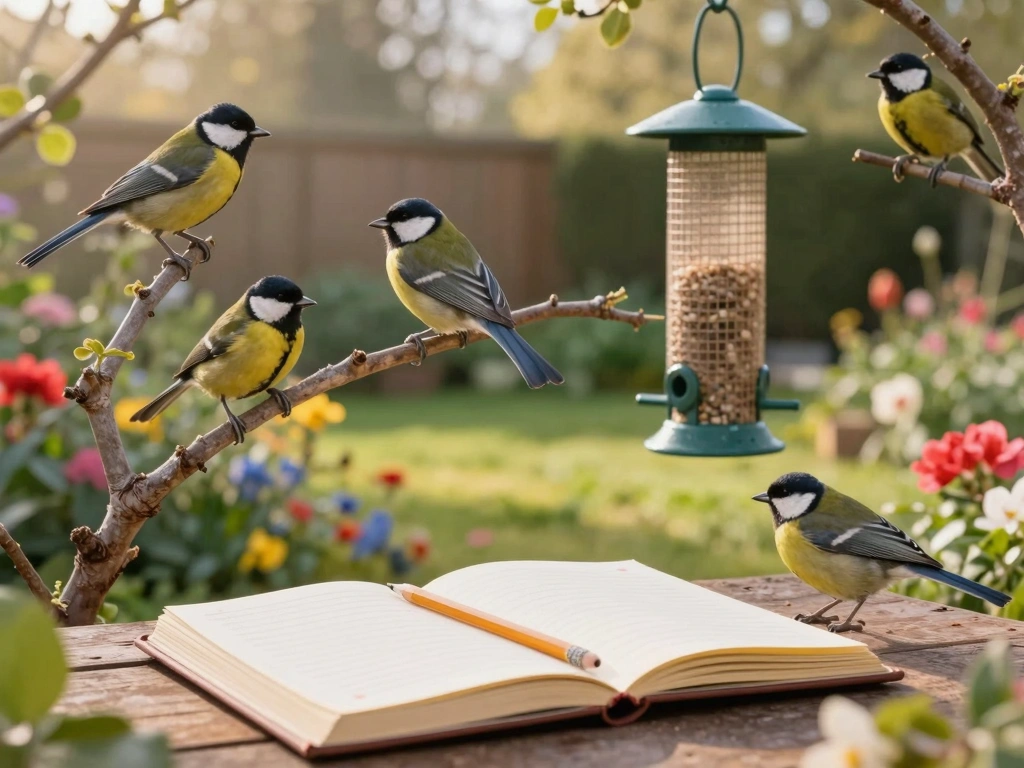
Understanding the Basics of Birding
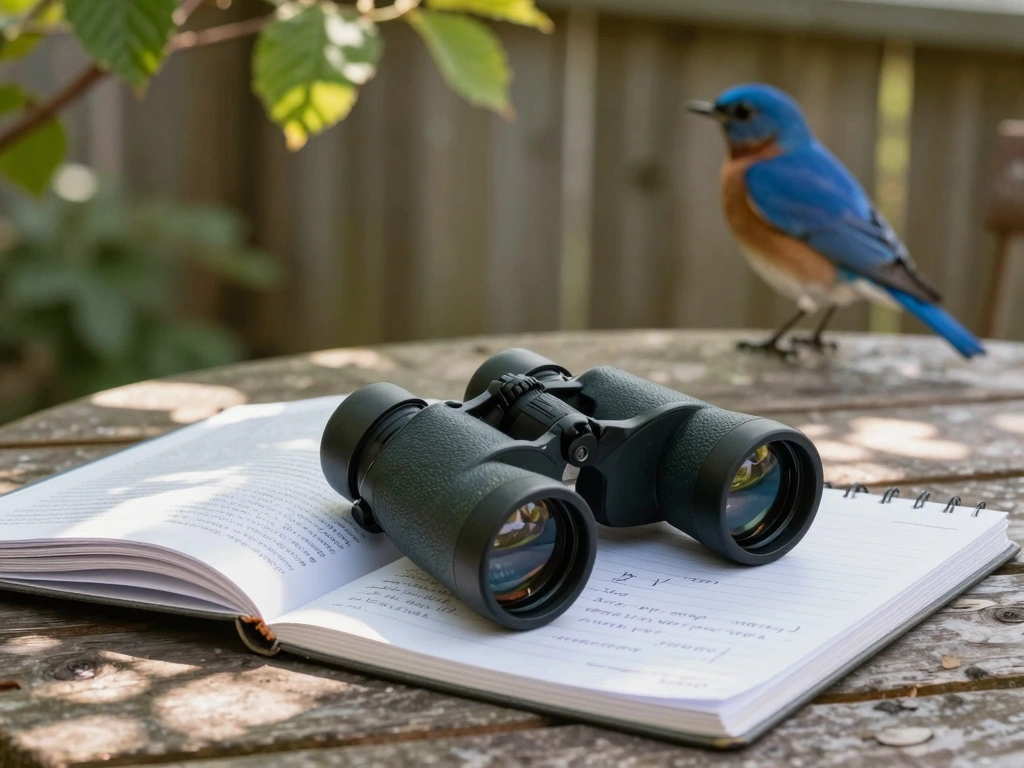
What is a Life List?
A life list is a record of all the bird species that an individual has observed in their lifetime. For birders, maintaining a life list serves as a personal benchmark of their birding experiences and achievements. Each time you spot a new species, you add it to your list, creating a sense of accomplishment and tracking your progress as you become more skilled in bird identification. A traditional life list is often kept in a notebook or a dedicated app, and it usually includes the date and location of each sighting, as well as any notable behaviors observed.
The Importance of Backyard Birding
Backyard birding offers a unique opportunity for individuals to connect with nature without having to venture far from home. It is an accessible and rewarding hobby that allows bird enthusiasts of all ages to observe and appreciate wildlife right outside their windows. Additionally, backyard birding can contribute to mental well-being, reduce stress, and foster a greater appreciation for biodiversity. By starting a backyard birding life list, you not only enhance your observational skills but also contribute to citizen science by documenting local avian populations.
Essential Birding Terminology
- Field Marks: Distinctive features of a bird that aid in identification, such as color patterns, size, and shape.
- Habitat: The natural environment in which a bird species lives, which can include forests, wetlands, and urban areas.
- Migration: The seasonal movement of birds from one region to another, typically in search of food or breeding grounds.
- Song and Calls: The vocalizations made by birds, which can be crucial for identification and understanding behavior.
Setting Up Your Backyard for Bird Watching
Creating a Bird-Friendly Environment
To attract birds to your backyard, it is essential to create a welcoming environment. This can be achieved by providing food, water, and shelter. Here are some specific steps to make your yard more bird-friendly:
- Water Sources: Install a birdbath or a small pond, ensuring that the water is fresh and clean. Birds need water for drinking and bathing, and a well-maintained water source can attract a variety of species.
- Nesting Sites: Provide natural nesting materials such as twigs, grass, and feathers, or install birdhouses suited for local species. Ensure that they are positioned away from predators and facing a sheltered direction.
- Safe Spaces: Create areas for birds to hide from predators. Dense shrubs or small trees can provide excellent cover.
Choosing the Right Feeders and Food
Selecting appropriate feeders and food is crucial for attracting different bird species. Here's how to choose wisely:
- Types of Feeders: Consider using a variety of feeders such as tube feeders for smaller birds, platform feeders for larger species, and suet feeders for woodpeckers and nuthatches.
- Food Types: Different birds prefer different types of food. Black oil sunflower seeds attract a wide variety of birds, while nyjer seeds are favored by finches. Mealworms can attract insectivorous birds, and suet is great for high-energy needs during colder months.
- Feeder Placement: Place feeders within sight of your home for easy observation but also near natural cover to make birds feel safe. Avoid placing them too close to windows to prevent collisions.
Planting Native Plants and Trees
Planting native species in your backyard not only beautifies your space but also supports local wildlife. Native plants are adapted to your region and provide food and shelter for birds and other wildlife. Here are some popular native plants to consider:
- Flowering Plants: Coneflowers, sunflowers, and milkweed attract nectar-feeding birds and insects.
- Berries and Fruits: Trees and shrubs like serviceberry, dogwood, and elderberry provide essential food sources for many bird species.
- Grasses and Ground Covers: Native grasses can provide nesting materials and cover, enhancing the habitat for ground-nesting birds.
Tools and Resources for Birding
Bird Identification Guides and Apps
To effectively start your backyard birding life list, having access to quality identification resources is vital. Here are some excellent guides and apps:
- Field Guides: Books such as "The Sibley Guide to Birds" and "Peterson Field Guide to Birds" offer detailed illustrations and information on bird identification.
- Bird Identification Apps: Apps like Merlin Bird ID and Audubon Bird Guide allow you to identify birds using photos, sounds, and descriptions, making it easier to recognize species on the go.
Binoculars: Features to Look For
Choosing the right binoculars is essential for birding. Here are some features to consider:
- Magnification: A magnification of 8x or 10x is ideal for bird watching, providing a good balance of detail and stability.
- Objective Lens Diameter: A larger lens (e.g., 42mm) allows more light in, which is helpful for spotting birds in low-light conditions.
- Weight and Size: Lightweight and compact binoculars are easier to carry and handle during long birding sessions.
Keeping a Birding Journal
Maintaining a birding journal is a great way to document your observations. Consider including the following in your entries:
- Date and Time: Record when you spotted each bird.
- Location: Note where the sighting occurred, which can help in tracking patterns over time.
- Weather Conditions: Documenting the weather can provide insights into bird behavior and migration patterns.
- Notes and Drawings: Add any notable behaviors, sounds, or sketches to enhance your entries.
Starting Your Backyard Birding Life List
How to Record Your Sightings
Starting your life list involves recording each bird species you observe in your backyard. Here’s how to do it effectively:
- Choose a Format: Decide whether you prefer to keep a physical notebook or use a digital platform. Both have their advantages; a digital format may allow for easier sharing and data tracking.
- Be Consistent: Make it a habit to log your sightings regularly. You might set aside a few minutes each day or week to update your list.
- Include Details: For each species, note the date, location, number of individuals observed, and any interesting behavior noted.
Tracking Seasonal Changes in Bird Species
Bird populations can change with the seasons, so tracking these shifts can enhance your backyard birding experience. Here’s how to observe and record these changes:
- Seasonal Patterns: Note which species appear during migration seasons (spring and fall) and which are year-round residents.
- Breeding Behavior: Observe and log any nesting behaviors or mating displays, as these can indicate the presence of certain species in your area.
- Weather Effects: Document how changes in weather, such as cold snaps or storms, impact bird sightings, which can be invaluable for understanding local ecology.
Utilizing Local Birding Communities
Engaging with local birding communities can significantly enhance your birding experience and knowledge. Here’s how to get involved:
- Online Forums and Social Media Groups: Join platforms like Facebook groups or Reddit threads focused on birding, where you can share sightings and ask questions.
- Local Birding Events: Participate in bird walks, workshops, or talks organized by local nature centers or wildlife organizations to learn from experienced birders.
- Citizen Science Projects: Get involved in community science initiatives, such as the Audubon Society's Christmas Bird Count, where you can contribute to important data collection.
Expanding Your Birding Experience
Participating in Citizen Science Projects
Citizen science projects offer a way for birders to contribute to scientific research while enhancing their skills. Here are a few notable projects to consider:
- eBird: Run by the Cornell Lab of Ornithology, eBird allows you to submit your sightings, which helps researchers track bird populations and migrations globally.
- Project FeederWatch: This project involves counting the number of birds at your feeders and reporting your findings, helping scientists understand winter bird population trends.
Joining Birding Clubs and Events
Joining a birding club can provide camaraderie and support as you develop your skills. Look for local clubs that offer:
- Regular Meetings: Attend meetings to discuss birding experiences, share tips, and hear from guest speakers.
- Field Trips: Participate in organized birdwatching trips to local hotspots, which can be an excellent opportunity for learning and networking.
Exploring Nearby Birding Hotspots
While backyard birding is rewarding, exploring nearby natural areas can expand your horizons significantly. Consider:
- Local Parks and Reserves: Visit state parks, nature reserves, and wildlife refuges that are known for diverse bird populations. These locations often provide opportunities to see species not found in residential areas.
- Birding Trails: Research local birding trails that provide a structured way to explore various habitats and increase your species sightings.