Understanding Contract PCB Assembly
In the rapidly evolving landscape of electronics manufacturing, contract PCB assembly has emerged as a crucial solution for businesses looking to streamline production processes. This service allows companies to outsource the assembly of printed circuit boards (PCBs), integrating various components and ensuring functionality based on a customer’s design specifications. By partnering with specialized manufacturers, businesses can focus more on core activities like design and innovation, while leaving the intricate details of PCB assembly to experts. When exploring options, contract PCB assembly provides comprehensive insights into the manufacturing process.
What is Contract PCB Assembly?
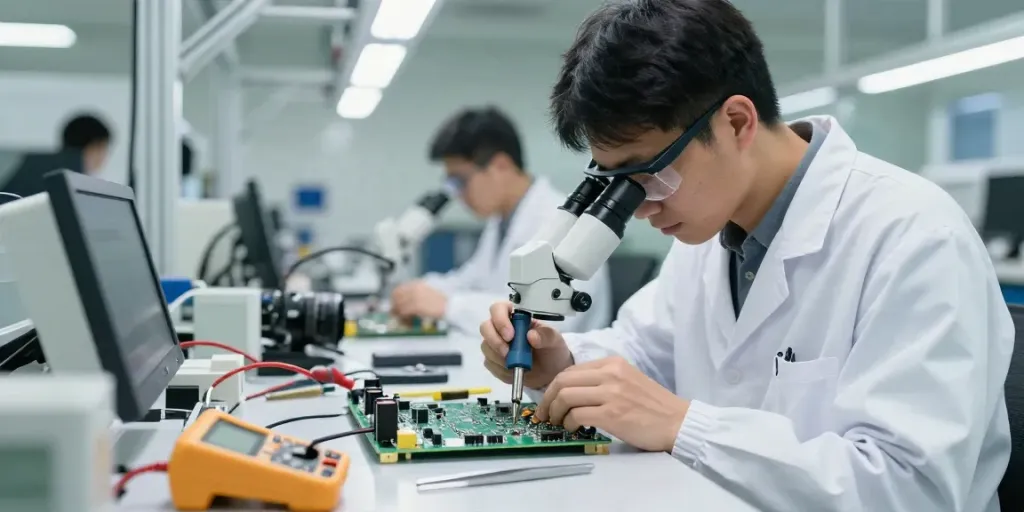
Contract PCB assembly refers specifically to the service of manufacturing and assembling printed circuit boards based on the designs and specifications (BOM - Bill of Materials) supplied by the client. The service might include sourcing components, assembly processes, testing, and sometimes even packaging. This approach allows companies, especially original equipment manufacturers (OEMs), to reduce overhead costs and focus on their core competencies. By outsourcing this vital process, businesses can scale their operations efficiently while maintaining high quality.
Key Components of the Process
The contract PCB assembly process involves several key components to ensure a seamless operation:
- Design Verification: Before production begins, companies must ensure that their PCB designs meet specific manufacturing tolerances and standards.
- Component Sourcing: Contract assembly providers often assist with sourcing the necessary components, ensuring quality and reliability.
- Assembly Techniques: Various techniques such as surface mount technology (SMT) and through-hole technology (THT) are employed depending on the design.
- Testing and Quality Control: Following assembly, rigorous testing procedures are conducted to ensure functionality and adherence to specifications.
- Logistics and Delivery: The final stage involves packaging and shipping the assembled PCBs to the client.
Benefits for Electronics Manufacturers
Engaging in contract PCB assembly offers several advantages for electronics manufacturers:
- Cost Savings: Outsourcing assembly can significantly reduce labor and overhead costs, allowing companies to allocate resources more efficiently.
- Scalability: Allows companies to quickly scale production up or down based on demand without the need for additional investment in equipment or facilities.
- Expertise and Quality: Access to specialized knowledge and state-of-the-art equipment enhances product quality while reducing defects.
- Focus on Core Competencies: Companies can concentrate on design and development, leading to innovation and improved market competitiveness.
Cost Analysis of Contract PCB Assembly
Evaluating Total Costs vs. In-House Production
When considering contract PCB assembly, it is vital for manufacturers to conduct a thorough cost analysis comparing it to in-house production. While initial perceptions may suggest that in-house assembly is more economical, the hidden costs—such as labor, equipment maintenance, and training—can significantly increase total expenses. Analyzing these factors can often reveal that outsourcing assembly is a more financially viable option.
Common Cost Drivers in PCB Assembly
Several key factors drive the costs associated with contract PCB assembly:
- Material Costs: The price of components can fluctuate based on market conditions, affecting overall assembly costs.
- Labor Costs: Skilled labor is essential for quality assembly, and wages can vary significantly by region.
- Production Volume: Higher production volumes can lead to economies of scale, reducing per-unit costs.
- Technology and Equipment: Advanced assembly techniques may require specialized equipment, which can influence pricing.
Long-Term Financial Benefits
Despite potentially higher upfront costs, the long-term financial benefits of contract PCB assembly can be substantial. Companies that leverage these services often see reduced manufacturing costs over time, improved cash flow, and an accelerated time to market. These advantages allow businesses to adapt swiftly to market changes and consumer demands, ultimately enhancing profitability.
Challenges in Contract PCB Assembly
Identifying Potential Risks and Misconceptions
While contract PCB assembly offers numerous advantages, there are also challenges that manufacturers must navigate. Companies often face misconceptions about outsourcing, such as fears regarding loss of control over quality and potential communication barriers with the assembly provider.
Quality Control Issues
Maintaining high quality is paramount in electronics manufacturing. Challenges in quality control can arise if the contract assembly partner does not adhere to strict standards or if there is a lack of alignment in quality expectations between the manufacturer and the assembly provider. Implementing stringent quality assurance processes and regular audits is essential to mitigate these risks.
Supply Chain Management
Supply chain disruptions can significantly impact the efficiency of contract PCB assembly. Proper management of the supply chain involves clear communication and coordination between the manufacturer and the assembly provider to ensure timely delivery of components and materials. Establishing strong partnerships and having contingency plans can help mitigate these risks.
Best Practices for Choosing a PCB Assembly Partner
What to Look for in a Service Provider
Finding the right contract PCB assembly partner is critical for success. Here are key aspects to consider:
- Experience and Expertise: Look for a provider with extensive experience in PCB assembly and a track record of high-quality output.
- Certifications: Ensure the provider holds relevant certifications (e.g., ISO, IPC) that demonstrate adherence to industry standards.
- Technology and Equipment: Assess whether the provider has the necessary technology and capabilities for your specific assembly requirements.
- Customer Support: Strong communication and support are vital for addressing any issues or concerns throughout the assembly process.
How to Evaluate Their Capabilities
Evaluating a potential PCB assembly partner involves more than comparing prices. Companies should request samples, assess lead times, and review case studies to gauge the partner's capabilities. Visits to the provider's facility can also provide valuable insight into their operations and quality control processes.
Building Effective Communication
Clear and ongoing communication with your PCB assembly partner is essential for a successful collaboration. Establishing regular check-ins, updates during production, and avenues for feedback can help prevent misunderstandings and ensure alignment throughout the project.
Future Trends in Contract PCB Assembly
Emerging Technologies and Their Impact
The landscape of contract PCB assembly is continuously evolving with emerging technologies such as automation, artificial intelligence, and IoT integration. These advancements enhance efficiency and precision in assembly processes, potentially lowering costs and improving product quality.
Sustainability in PCB Manufacturing
As environmental concerns grow, sustainability is becoming a significant focus within the electronics industry. Companies are seeking assembly partners that adhere to sustainable practices, including environmentally friendly materials and waste reduction efforts.
Predictions for 2026 and Beyond
Looking ahead, the contract PCB assembly market is expected to expand as more manufacturers recognize the benefits of outsourcing. Innovations in materials and assembly techniques will likely drive further efficiency, while increased demand for customized electronic solutions will prompt service providers to adapt and evolve to meet customer needs.
How much does it cost to assemble a PCB?
The cost of PCB assembly can vary widely depending on several factors including the complexity of the design, the volume of production, and the assembly partner selected. On average, businesses can expect to invest between $500 and $5,000 for small to medium scale projects, with larger productions boasting reduced per-unit costs.
What is PCB assembly?
PCB assembly is the process of soldering electronic components to a printed circuit board, integrating them into a functional unit capable of performing specific electronic tasks. This process may include both surface mount (SMT) and through-hole assembly techniques.
Is contract manufacturing an OEM?
While contract manufacturing and OEM (Original Equipment Manufacturer) services are closely related, they are distinct concepts. Contract manufacturers produce products based on designs provided by an OEM, but they do not typically sell the products under their brand; rather, they manufacture for others.
How long does PCB assembly take?
The duration of PCB assembly depends on the complexity of the project and the production volume. Generally, it can take anywhere from a few days to several weeks. Establishing timelines with the assembly partner upfront can help manage expectations and deliverables.