Lung Cancer Overview: Understanding the Disease
Lung cancer remains one of the most formidable health challenges today, claiming hundreds of thousands of lives worldwide each year. In Abu Dhabi, the need for awareness and education regarding lung cancer is crucial, especially considering the increasing incidence rates linked to smoking and environmental factors. Understanding this disease is essential for early detection, effective treatment, and improved patient outcomes. When exploring options, Lung cancer specialists in Abu Dhabi provide comprehensive insights into the latest diagnostic and treatment methods available.
What is Lung Cancer?
Lung cancer occurs when abnormal cells in the lungs begin to grow uncontrollably, forming tumors. These tumors can be malignant (cancerous) or benign (non-cancerous), but it is malignant tumors that pose significant health risks. There are primarily two types of lung cancer: non-small cell lung cancer (NSCLC) and small cell lung cancer (SCLC). Each type has distinct characteristics, behaviors, and treatment strategies, making precise diagnosis essential for effective management.
Types of Lung Cancer: NSCLC vs. SCLC
Understanding the differences between NSCLC and SCLC is vital for determining treatment options.
- Non-Small Cell Lung Cancer (NSCLC): This type accounts for around 85% of all lung cancer cases. It is further categorized into several subtypes, including adenocarcinoma, squamous cell carcinoma, and large cell carcinoma. NSCLC tends to grow more slowly than SCLC and can be treated effectively in its early stages.
- Small Cell Lung Cancer (SCLC): SCLC represents about 15% of lung cancer cases and is known for its rapid growth and early metastasis. It is often diagnosed at a later stage, making it more challenging to treat. SCLC is most commonly associated with heavy smoking.
Key Statistics on Lung Cancer in Abu Dhabi
Lung cancer remains a leading cause of cancer-related mortality in the UAE. Statistics indicate that lung cancer is responsible for a significant share of new cancer diagnoses every year. Understanding these statistics can help inform public health initiatives aimed at prevention and early detection.
Why Choose Lung Cancer Specialists in Abu Dhabi?
Multidisciplinary Approach to Treatment
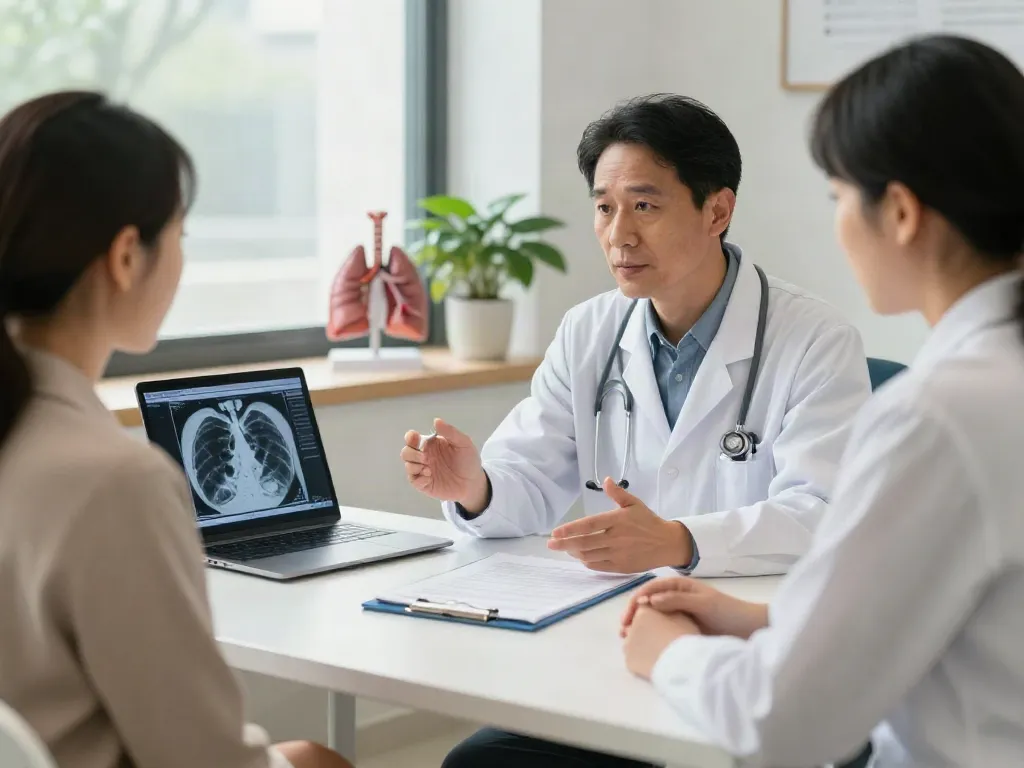
One of the most compelling reasons to seek treatment from lung cancer specialists in Abu Dhabi is the multidisciplinary approach they employ. This collaborative model integrates the expertise of various healthcare professionals, including surgical oncologists, medical oncologists, pulmonologists, and radiation therapists. Each specialist brings unique insights that contribute to a comprehensive care plan tailored to the patient's specific needs.
Access to Advanced Technology and Techniques
Abu Dhabi is home to advanced healthcare facilities that utilize cutting-edge technology for both diagnosis and treatment. Innovations in imaging techniques, such as low-dose computed tomography (LDCT), enhance early detection, which is critical for improving treatment outcomes. Furthermore, minimally invasive surgical options are available that reduce recovery times and associated risks.
Patient-Centered Care and Support Services
Patient-centered care is at the core of the services offered by lung cancer specialists in Abu Dhabi. From diagnosis through treatment and into survivorship, patients receive comprehensive support. This includes counseling, nutritional advice, and palliative care to address quality of life issues.
Symptoms, Causes, and Risk Factors
Common Symptoms of Lung Cancer
Recognizing the symptoms of lung cancer can be challenging, as they often do not present until the disease is in its advanced stages. Common symptoms include:
- Persistent cough: A cough that does not go away or worsens with time.
- Shortness of breath: Difficulty breathing or feeling winded with minimal exertion.
- Chest pain: Discomfort or pain in the chest area that may worsen with deep breaths or cough.
- Weight loss: Unintentional weight loss and loss of appetite.
- Fatigue: Extreme tiredness that does not improve with rest.
Identifying Risk Factors: Smoking and Beyond
The most significant risk factor for developing lung cancer is tobacco use, which contributes to approximately 90% of cases. However, other factors can include exposure to radon gas, asbestos, air pollution, and a family history of lung cancer. Understanding these risk factors can empower individuals to take preventive steps.
The Importance of Early Detection
Early detection is vital for improving lung cancer prognosis. Lung cancer can be asymptomatic in its early stages, making regular screenings essential for high-risk individuals, particularly smokers and those with a family history of cancer.
Diagnosis and Screening Procedures Available
Low-Dose CT Scans and Other Diagnostic Tools
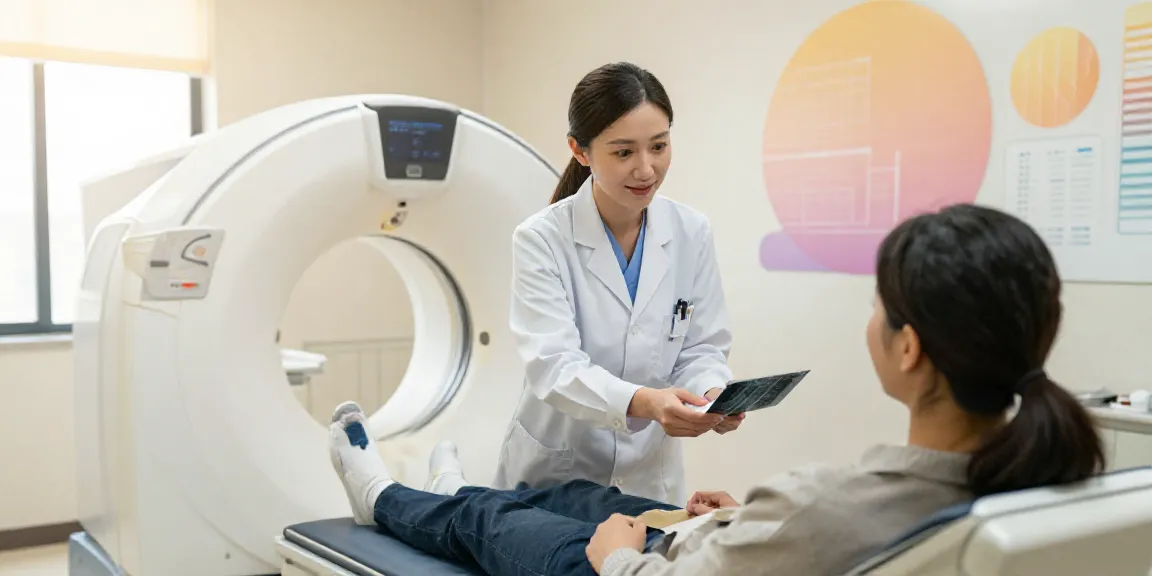
Screening for lung cancer typically involves low-dose CT scans, which are painless, non-invasive, and effective. These advanced imaging techniques allow for high-resolution views of the lungs, helping to identify any suspicious nodules early on.
Screening Recommendations for High-Risk Patients
Health authorities recommend that individuals considered at high risk for lung cancer—such as heavy smokers aged 50 and older—undergo regular screening. This proactive approach significantly improves the chances of early detection and successful treatment.
What to Expect During the Diagnosis Process
The diagnosis of lung cancer generally involves a combination of imaging studies, biopsy, and pathological evaluation. This process may require several diagnostic tests, which can often be conducted in one setting to streamline care.
Comprehensive Treatment Options and Care Plans
Innovative Surgical Techniques and Approaches
Surgical intervention is often necessary for patients with localized lung cancer. The Cleveland Clinic Abu Dhabi employs minimally invasive techniques, such as video-assisted thoracoscopic surgery (VATS), which leads to less pain and quicker recovery times.
Medical and Radiation Oncology Services
Alongside surgical options, patients may also receive treatment through chemotherapy, targeted therapy, or immunotherapy. Radiation therapy is another crucial component, often utilized to shrink tumors or eliminate residual cancer cells post-surgery.
Ongoing Support and Palliative Care Options
Palliative care plays a vital role in comprehensive lung cancer treatment, focusing on improving quality of life. Support services—ranging from pain management to emotional and spiritual care—are integral to the treatment process.
How Treatment Plans are Customized for Individual Needs
At Cleveland Clinic Abu Dhabi, each patient’s treatment plan is customized through a collaborative Tumor Board, which discusses the best options based on cancer type, stage, and individual circumstances, ensuring that every patient benefits from expert opinions.
FAQs on Lung Cancer Specialists in Abu Dhabi:
What should I expect during my first visit to a lung cancer specialist?
During your initial visit, you will undergo a thorough evaluation that includes a review of your medical history, physical examination, and potentially necessary diagnostic tests.
How can I determine if I am at risk for lung cancer?
A conversation with your healthcare provider about your smoking history, exposure to environmental toxins, and family history can help assess your risk level.
What treatments are available for lung cancer?
Treatment options depend on the cancer type and stage. Common treatments include surgery, chemotherapy, radiation therapy, and targeted therapies.
How important is early screening for lung cancer?
Early screening significantly increases the chance of successful treatment outcomes. It is advisable for high-risk individuals to adhere to recommended screening guidelines.
Can lifestyle changes improve lung cancer outcomes?
Absolutely. Quitting smoking, maintaining a healthy diet, and engaging in regular physical activity can greatly improve overall health and potentially influence treatment outcomes.