Understanding the Importance of Holistic Development in Kindergarten Singapore
In today's rapidly evolving world, the significance of holistic development has never been more apparent, especially in early childhood education. Holistic development refers to the comprehensive growth of a child across various domains—cognitive, emotional, social, and physical. This well-rounded approach is foundational for setting children on the path to lifelong success. For parents exploring quality options for their children's early education, Kindergarten Singapore programs, such as those at Pegasus International Preschool, serve as a model of effective holistic education.
What is Holistic Development?
Holistic development means nurturing every facet of a child's being. This involves providing opportunities for emotional growth through social interactions, cognitive stimulation through challenging activities, and physical development through play. A holistic approach recognizes that children learn in different ways and at different paces, making it essential to create a versatile learning environment that caters to unique needs.
Benefits of a Holistic Approach to Learning
- Enhanced Emotional Intelligence: Holistic education fosters emotional awareness and resilience in children, essential skills for navigating life's challenges.
- Improved Social Skills: Collaborative activities help children learn how to communicate effectively and develop healthy relationships.
- Better Academic Performance: Engaging the whole child in learning often leads to increased interest and retention of knowledge.
- Physical Well-being: Integrating physical activities ensures children develop essential motor skills and an appreciation for health.
How Holistic Education Affects Lifelong Learning
By focusing on holistic development, children cultivate a love for learning that lasts a lifetime. This intrinsic motivation encourages them to explore their interests, take on challenges, and adapt to new situations. Holistically educated children are often more flexible in their thinking, allowing them to navigate the complexities of the modern world effectively.
Inquiry-Based Learning: The Cornerstone of Our Curriculum
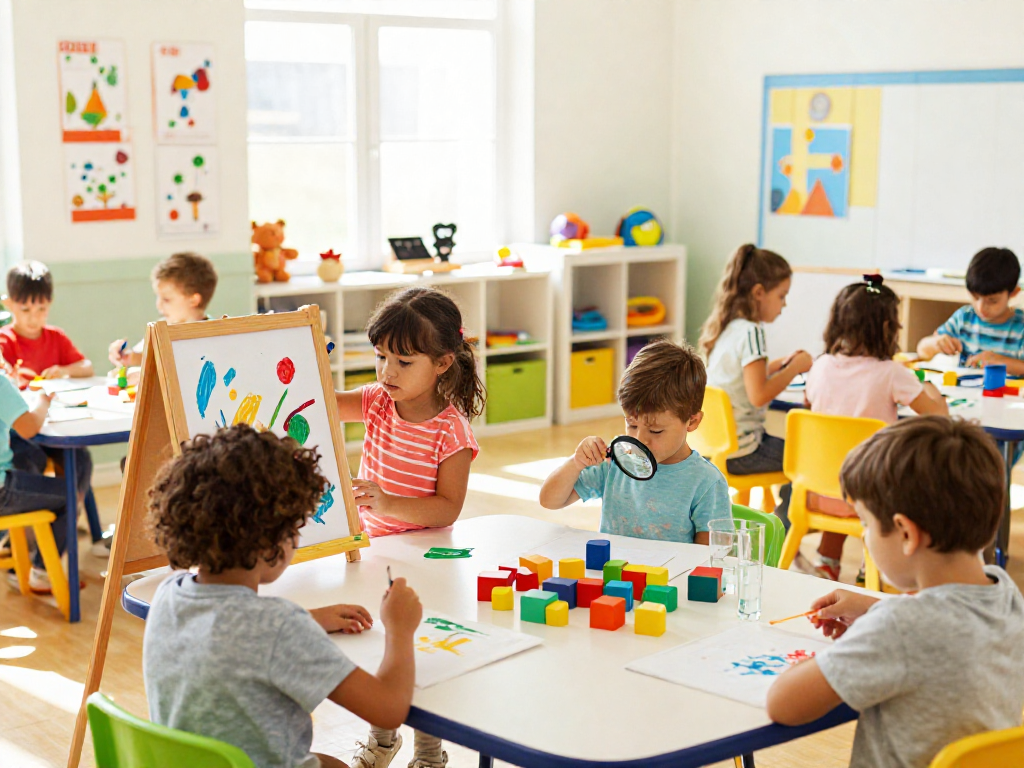
At Pegasus International Preschool, inquiry-based learning forms the backbone of our curriculum. This educational philosophy encourages children to ask questions and pursue their interests, turning learning from a passive experience into an active and enjoyable journey.
Defining Inquiry-Based Learning in Early Education
Inquiry-based learning is a dynamic approach that emphasizes the child's role in the learning process. It encourages them to ask questions, explore, and seek out answers through hands-on experiences and guided discovery, making education a more engaging and personalized process.
How It Differentiates Pegasus from Other Kindergartens
Unlike traditional rote learning methods, inquiry-based learning at Pegasus allows children to integrate new knowledge with prior experiences. This method not only deepens their understanding of subjects but also promotes critical thinking and problem-solving skills, setting Pegasus apart as a leader among preschools in Singapore.
Examples of Inquiry-Based Activities for Young Learners
- Nature Walks: Children explore the environment, observe flora and fauna, and ask questions about their findings.
- Art Projects: Encourage creativity through hands-on activities that tie into themes or concepts the children are curious about.
- Science Experiments: Simple experiments that allow kids to hypothesize, test, and observe outcomes.
- Storytelling Sessions: Engaging children in creating their narratives, enhancing their language and comprehension skills.
The Role of Parental Involvement in Kindergarten Success
Parental engagement plays a crucial role in the educational journey of children. Active involvement fosters a supportive learning environment, reinforcing the lessons taught in preschool.
Why Parental Engagement is Crucial
When parents participate in their child's education, learners tend to perform better academically and exhibit improved social behaviors. Engaged parents also demonstrate to their children the importance of education.
Strategies for Effective Communication Between Parents and Educators
- Regular Updates: Schools like Pegasus encourage consistent communication through newsletters and parent-teacher meetings.
- Open-Door Policies: Inviting parents to visit and engage with classroom activities can strengthen the home-school connection.
- Workshops: Providing workshops for parents on child development or educational strategies helps them support their children's learning at home.
Activities to Foster Parental Participation in Learning
Activities such as reading sessions, family events, and volunteering opportunities not only enrich the preschool experience but also enable parents to play an active role in their child's growth.
Creating a Conducive Learning Environment for Children
The physical and emotional environment of a preschool significantly impacts children's learning. A well-designed space can inspire creativity, facilitate exploration, and promote social interactions.
Elements of a Successful Preschool Environment
- Safe Spaces: Ensuring that all areas are safe and accessible encourages children to explore freely.
- Engaging Materials: Access to various educational materials promotes learning through play.
- Comfortable Zones: Areas designed for relaxation and reflection can help children regroup and recharge.
Outdoor Learning: Benefits and Opportunities
Integrating outdoor activities into the curriculum allows children to connect with nature, fostering a sense of wonder and exploration. Outdoor learning experiences enhance physical well-being while providing endless opportunities for inquiry.
Designing Classrooms for Engagement and Creativity
Classroom layouts that promote collaboration and creativity—such as flexible seating arrangements and interactive stations—enable students to engage with their peers and educators dynamically.
Future Trends in Kindergarten Education by 2026
The educational landscape is continually evolving, with new trends emerging that promise to reshape the way we approach early childhood education.
Emerging Educational Technologies in Preschool
By 2026, the integration of technology in early education is expected to increase dramatically. Interactive tools, educational apps, and virtual reality experiences can provide children with diverse learning modalities, making education more engaging and accessible.
The Impact of Cultural Diversity in Learning
Preschools that embrace cultural diversity prepare children for a globalized world. By incorporating diverse perspectives in the curriculum, educators can help children develop empathy and understanding of different cultures.
Preparing for a Globalized World in Early Education
As the world becomes increasingly interconnected, it is vital for early education to equip children with the skills they need to thrive in diverse environments. This includes fostering communication skills, adaptability, and critical thinking.
What is the curriculum focus at Pegasus International Preschool?
At Pegasus, the curriculum emphasizes holistic development and inquiry-based learning, catering to the diverse needs of children from different backgrounds and allowing them to thrive academically and socially.
How does Pegasus support children's emotional development?
Through a nurturing environment and programs focused on social-emotional learning, Pegasus provides children with tools to understand and express their feelings effectively.
What age groups does Pegasus cater to?
Pegasus International Preschool offers programs for children aged 18 months to 6 years, tailoring learning experiences to meet the developmental needs of each age group.
How can parents get involved in their child's education?
Parents can engage with their child's education through various means, including attending workshops, volunteering for school events, and maintaining open communication with teachers.
What unique programs does Pegasus offer for language learning?
As a trilingual institution, Pegasus offers children exposure to English, Mandarin, and Japanese, helping them develop a global perspective and language skills from a young age.