Understanding Aerospace CNC Machining
CNC machining has revolutionized the aerospace industry since its inception, providing manufacturers with the capability to produce high-precision components that meet the stringent requirements of aviation applications. From the design of prototypes to the mass production of intricate parts, leading aerospace cnc parts manufacturers are at the forefront, utilizing advanced technologies to ensure quality and efficiency in their processes.
What is CNC Machining in Aerospace?
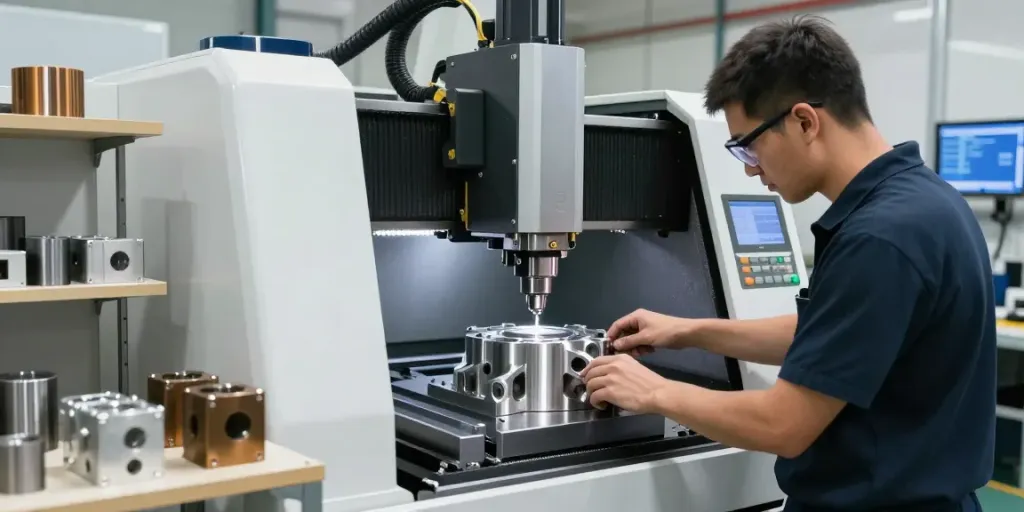
CNC (Computer Numerical Control) machining is a method where computer software controls the movement of machinery and tools to fabricate parts. In the aerospace sector, this technology is vital for producing complex geometries and components with tolerances often down to a mere thousandth of an inch. CNC machining allows for rapid manufacturing and the ability to work with various materials, which is essential in an industry that demands both safety and performance.
Common Applications for Aerospace CNC Parts
Aerospace CNC machining is employed in various applications, such as:
- Engine components: Parts such as housing, brackets, and mounts are crucial for optimal engine performance.
- Structural components: Wing spars, fuselage frames, and other structural elements benefit from CNC precision.
- Fasteners and fittings: Critical for ensuring parts remain securely attached under varying conditions.
- Custom tools and fixtures: Tailored solutions that improve manufacturing processes and assembly efficiency.
Benefits of Using CNC Machining for Aerospace Components
The adoption of CNC machining in aerospace manufacturing offers numerous advantages, including:
- Precision: CNC machines provide exact specifications, reducing human error.
- Repeatability: Once programmed, CNC machines can reproduce components consistently.
- Material Versatility: Capable of machining both metals and plastics, CNC technology can handle a range of aerospace materials like titanium, aluminum, and advanced composites.
- Cost Efficiency: CNC machining streamlines production, which can lower costs, especially in high-volume runs.
Key Materials in Aerospace CNC Manufacturing
Popular Metals Used in Aerospace Parts
When it comes to aerospace applications, selecting the right metal is crucial. Common metals include:
- Aluminum: Lightweight and corrosion-resistant, making it ideal for commercial aircraft.
- Titanium: Known for its high strength-to-weight ratio and ability to withstand extreme temperatures, often used in critical components.
- Steel: Utilized for parts that require substantial strength and durability.
- Copper: Important for electrical components and systems within the aircraft.
Essential Plastics for Aerospace Applications
In addition to metals, various plastics are integral to aerospace manufacturing. Some of the most used include:
- ABS (Acrylonitrile Butadiene Styrene): Offers tough versatility for interior components.
- PEEK (Polyether Ether Ketone): Known for its excellent chemical resistance and thermal stability, used in high-performance applications.
- HDPE (High-Density Polyethylene): Lightweight and strong, ideal for non-structural parts.
- PMMA (Polymethyl Methacrylate): Often used for transparent applications like windows and displays.
Material Selection Best Practices for Aerospace Manufacturers
Selecting the right materials for aerospace applications involves several considerations:
- Performance Requirements: Understand the environmental conditions the part will face, including temperature, pressure, and exposure to chemicals.
- Weight Considerations: Lighter materials can significantly impact fuel efficiency and performance.
- Cost Constraints: Balancing material costs with performance needs is essential for budgeting.
Finding the Right CNC Manufacturer
Criteria for Choosing Leading Aerospace CNC Parts Manufacturers
Choosing the right manufacturer can significantly impact the success of aerospace projects. Consider the following criteria:
- Experience: Ensure the company has a proven track record in aerospace machining.
- Capabilities: Assess whether the manufacturer has the necessary CNC machinery to meet your specifications.
- Quality Control: Look for manufacturers with robust quality assurance processes and certifications, such as AS9100.
Evaluating Quality Assurance and Certifications
Quality assurance is paramount in aerospace manufacturing. Relevant certifications include:
- AS9100: A widely recognized quality management standard specifically for aviation, space, and defense industries.
- ISO 9001: A general quality management standard applicable across industries.
- Compliance with FAA Regulations: Ensure that the manufacturer conforms to the standards set by the Federal Aviation Administration.
Questions to Ask Potential CNC Partners
When vetting potential CNC partners, ask these critical questions:
- What are your lead times for production?
- Can you provide references from previous aerospace clients?
- How do you ensure quality during the machining process?
- What capabilities do you have for rapid prototyping?
Innovative Techniques in CNC Machining
Latest Trends in Aerospace CNC Machining for 2026
As we move towards 2026, several innovative trends are reshaping aerospace CNC machining:
- Automation: Increased use of AI and robotics is enhancing precision and efficiency.
- Advanced Materials: Continued development of lightweight and durable materials is changing manufacturing processes.
- Sustainability: Eco-friendly manufacturing practices are gaining traction as companies seek to reduce their environmental footprint.
Case Studies of Successful Aerospace CNC Projects
Several case studies illustrate the successful application of CNC machining in aerospace:
- Project A: A major airline collaborated with a CNC manufacturer to create lightweight components that improved fuel efficiency by 10%.
- Project B: An aerospace company utilized CNC technology to produce a series of engine parts, resulting in a 15% reduction in production time.
Future Technologies Impacting CNC Manufacturing
Emerging technologies are set to have a significant impact on the future of CNC machining:
- 3D Printing: Integration with CNC machining is allowing for more complex geometries and material usage.
- Internet of Things (IoT): Smart factories with connected machines can provide real-time data for better decision-making.
- Machine Learning: Helps optimize machining parameters and enhance predictive maintenance.
Maximizing the Impact of CNC Machining in Aerospace
Strategies for Cost-Effective Production
To maximize cost-efficiency in aerospace manufacturing, consider these strategies:
- Invest in advanced CNC technology to reduce labor costs and enhance efficiency.
- Utilize lean manufacturing principles to minimize waste.
- Negotiate long-term contracts with material suppliers for better pricing.
Measuring Performance Metrics in Aerospace Manufacturing
Key performance indicators (KPIs) to consider include:
- Production efficiency rates.
- Quality defect rates.
- On-time delivery rates.
- Cost per unit produced.
Preparing for Future Trends in Aerospace Manufacturing
Aerospace manufacturers should be proactive in adapting to future trends:
- Stay informed about technological innovations and industry regulations.
- Invest in workforce training to keep skills current.
- Consider partnerships with research institutions to explore cutting-edge technologies.
What are the top ten CNC manufacturers?
The top CNC manufacturers in the aerospace sector vary, but notable names include companies like Boeing, Lockheed Martin, and Airbus, which all have extensive CNC capabilities integrated into their manufacturing processes.
Who are the leading aerospace components manufacturers?
Leading manufacturers in the aerospace components space include General Dynamics, Northrop Grumman, and Spirit AeroSystems, all of which excel in producing high-precision parts and assemblies.
What materials are best for aerospace parts?
Optimal materials for aerospace components often include lightweight metals like aluminum and titanium, as well as advanced polymers that can endure high stress and harsh environments.
What are the benefits of CNC machining in aerospace?
CNC machining offers several benefits, including enhanced precision, repeatability, and the ability to work with a diverse range of materials, making it indispensable in aerospace manufacturing.
What is the future of CNC machining in aerospace?
The future of CNC machining in aerospace lies in increased automation, the integration of advanced materials, and the adoption of sustainable practices, paving the way for more efficient and environmentally friendly manufacturing processes.