Understanding the Role of a GRP Manufacturer
Glass Reinforced Plastic (GRP) has emerged as a key material in various industries, offering exceptional performance and versatility. As a leading GRP Manufacturer, Engineered Composites stands at the forefront of this innovative sector, providing high-quality GRP solutions across multiple applications. With a rich history spanning over four decades, our firm combines technical expertise with a deep understanding of the diverse needs of our clientele, ensuring we deliver products that meet the highest standards of quality and performance. This article explores the pivotal role of GRP manufacturers, highlighting the advantages of GRP products, quality assurance practices, and their applications across various sectors.
What is a GRP Manufacturer?
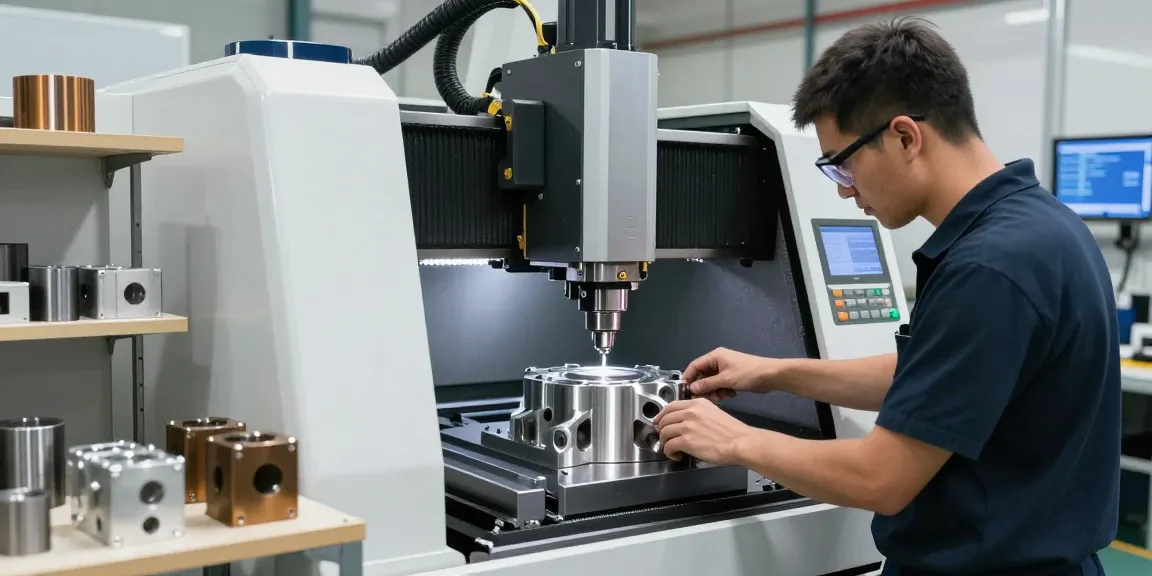
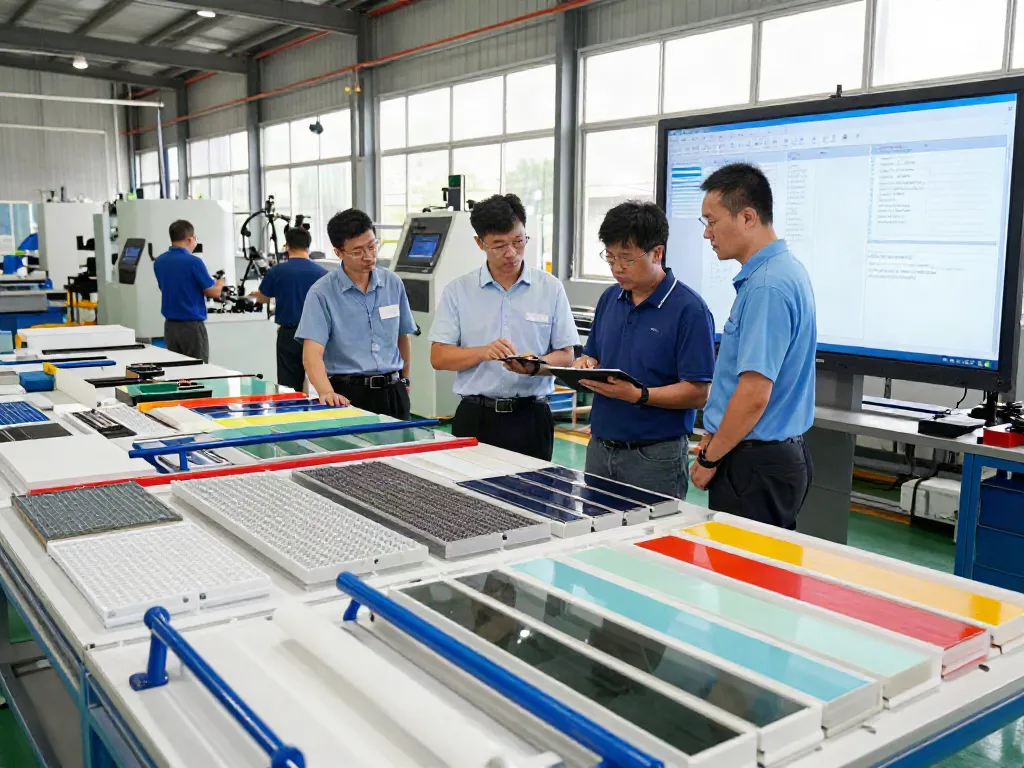
A GRP manufacturer specializes in producing components made from glass reinforced plastic, a composite material that combines glass fiber and resin. This unique combination creates materials that are lightweight, durable, and resistant to corrosion and environmental degradation. Manufacturers like Engineered Composites employ advanced manufacturing techniques to ensure that their GRP products meet strict industry standards and perform reliably in a wide range of applications.
Key Industries Using GRP Products
GRP products are utilized across numerous sectors, each benefiting from the material's superior properties. Key industries include:
- Construction: GRP is extensively used in structural applications, offering strength and resistance to weathering.
- Marine: The lightweight and corrosion-resistant nature of GRP makes it ideal for boat building and maritime infrastructure.
- Transport: GRP is used in rail and road applications, including platforms and safety features.
- Utilities: The material’s non-conductive properties are advantageous in electrical applications.
- Aerospace: GRP is employed in components where weight reduction is critical.
Importance of Quality Standards in GRP Manufacturing
Quality assurance is a cornerstone of GRP manufacturing. Adhering to established standards such as ISO 9001 ensures that products are consistent, reliable, and safe for use. Manufacturers invest in rigorous testing procedures to evaluate factors such as tensile strength, fire resistance, and environmental impact, ensuring compliance with both national and international regulations.
The Advantages of Using GRP Products
Understanding the numerous advantages of GRP products can aid stakeholders in making informed decisions. GRP presents several benefits over traditional materials, making it a popular choice in modern manufacturing.
Durability and Strength Compared to Steel and Aluminum
One of the most significant advantages of GRP is its durability. It offers comparable strength to steel but is significantly lighter—up to 70% less than traditional metal materials. This characteristic not only simplifies transportation and installation but also reduces the overall structural load, providing more flexibility in design.
Corrosion Resistance and Maintenance Benefits
GRP is inherently resistant to corrosion, making it an excellent choice for environments exposed to moisture or chemicals. Unlike steel, which requires regular maintenance and protective coatings, GRP needs minimal upkeep. This durability translates to cost savings over time, as there is less need for repairs or replacement.
Environmental Impact and Sustainability of GRP
As global focus shifts towards sustainability, GRP stands out for its environmentally friendly properties. The production of GRP typically consumes less energy compared to steel and aluminum, contributing to a lower carbon footprint. Additionally, many GRP products can be recycled or repurposed at the end of their lifecycle, aligning with eco-friendly construction practices.
Quality Control in GRP Manufacturing
Quality control is vital in the manufacturing process to ensure that GRP products perform as expected. This section delves into the standards and practices that GRP manufacturers implement to uphold quality.
ISO 9001 Certification and Its Importance
ISO 9001 certification is a globally recognized quality management standard that ensures businesses consistently meet customer and regulatory requirements. For GRP manufacturers, this certification reflects a commitment to quality and continuous improvement, assuring clients that they receive reliable products.
Testing Procedures for Fire Safety and Strength
GRP products must undergo stringent testing to meet safety regulations, particularly concerning fire resistance. Testing procedures often include assessing the materials against BS 476 Part 7 standards, ensuring that they provide protection in case of fire while maintaining their structural integrity.
Client Testimonials and Performance Reviews
Gathering feedback from clients helps manufacturers refine their products and services. Positive client testimonials often highlight the quality, durability, and performance of GRP products, reinforcing the manufacturer's reputation in the market.
Applications of GRP Products in Various Sectors
GRP's versatility means it can be tailored for various applications across different sectors. Below we explore some common uses and contexts in which GRP products thrive.
Outdoor vs. Indoor Use of GRP Materials
GRP is well-suited for both outdoor and indoor applications. For outdoor use, GRP products are engineered to withstand harsh weather conditions, UV radiation, and corrosive environments. Indoor applications often take advantage of GRP’s aesthetic appeal and functional performance, such as in flooring and decorative elements.
Structural Applications of GRP in Construction
In construction, GRP is increasingly used as an alternative to traditional materials for structural components. GRP beams, channels, and panels provide the necessary support while minimizing weight, leading to easier handling and installation. Its compliance with BS EN 13706 further underscores its applicability in load-bearing scenarios.
Innovative Uses of GRP in Marine and Transport Industries
The marine industry benefits vastly from GRP's resistance to saltwater corrosion, making it a popular choice for constructing boats, docks, and other marine structures. Similarly, in the transport sector, GRP is employed in the design of safety barriers, walkways, and railings, enhancing both functionality and safety.
Getting Started with Your GRP Project
Whether you're considering GRP for a new project or looking to replace existing materials, understanding how to engage with a GRP manufacturer is crucial. Here’s how to get started.
How to Request a Quotation from a GRP Manufacturer
Requesting a quotation from a GRP manufacturer typically involves submitting specific project details, including dimensions and application requirements. Most reputable manufacturers, including Engineered Composites, aim to provide fast, no-obligation quotes to facilitate project planning.
Custom Solutions and Product Variations Available
Many GRP manufacturers offer customization options, allowing clients to specify particular sizes, colors, and performance characteristics to suit their unique needs. Custom solutions can significantly enhance the functionality and aesthetic appeal of GRP products in diverse applications.
Understanding Lead Times and Delivery Expectations
Once a quotation is received and accepted, clients should understand the lead times associated with production and delivery. Established manufacturers often maintain a stock of standard products, enabling quick turnaround times and ensuring that projects stay on schedule.
What are the main advantages of GRP over steel and aluminium?
GRP presents numerous advantages over steel and aluminum, including weight efficiency, corrosion resistance, and lower maintenance needs. These benefits make GRP a preferred choice for many industries looking to optimize performance while reducing long-term costs.
Can GRP be cut or drilled on site?
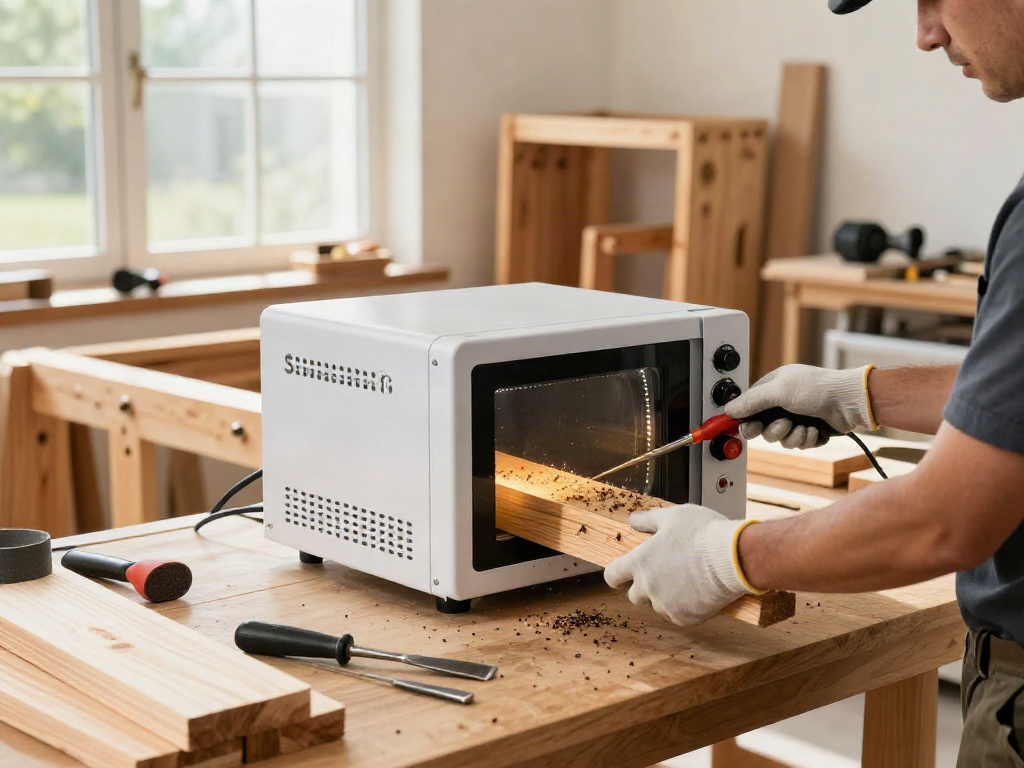
Yes, GRP can be easily cut or drilled on-site using standard tools, making it a flexible option for contractors who require adaptability during installation. This feature allows for modifications without compromising the structural integrity of the material.
Is GRP recyclable or sustainable?
GRP is regarded as a more sustainable option compared to traditional materials. Many GRP products can be recycled at the end of their life cycle, and the manufacturing process typically consumes less energy than that of steel or aluminum, contributing to a lower environmental impact.