Understanding Water Reclaim Systems
In an era where sustainability is paramount, the need for efficient water management has never been more critical. Water reclaim systems offer a viable solution for recycling wastewater, transforming it into reusable water suitable for various applications, such as irrigation and industrial processes. These systems are pivotal in addressing global water scarcity and promoting environmentally responsible practices across industries. When exploring options, Water Reclaim System provides comprehensive insights into advanced technologies that drive this transformative process.
What is a Water Reclaim System?
A water reclaim system is a technology designed to treat and recycle wastewater, making it suitable for reuse. These systems can process various types of wastewater, including municipal sewage, industrial effluent, greywater, and even rainwater. By employing advanced treatment methods, these systems significantly reduce the volume of wastewater that would otherwise be discharged into the environment, thereby conserving precious freshwater resources.
Key Components of Effective Water Reclamation
Water reclamation systems typically consist of several critical components:
- Pre-treatment Units: These are essential for removing larger solids and contaminants from incoming wastewater. Methods may include screening, sedimentation, and flotation.
- Filtration Systems: Advanced filtration technologies such as Membrane Bioreactors (MBR), Ultrafiltration (UF), and Reverse Osmosis (RO) play a crucial role in further purifying the water, ensuring that it meets the necessary quality standards for reuse.
- Disinfection Units: Treatment with chlorine, ultraviolet light, or ozone is necessary to eliminate pathogens, making the reclaimed water safe for its intended use.
- Storage Tanks: These tanks store the treated water until it is needed, allowing for flexibility in usage.
Benefits of Using Water Reclaim Systems
Implementing water reclaim systems yields numerous benefits:
- Resource Conservation: By recycling water, businesses and municipalities reduce their reliance on freshwater sources, promoting sustainability.
- Cost Savings: Reclaimed water can significantly lower water treatment costs and reduce sewage disposal fees.
- Regulatory Compliance: Adopting water reclamation systems helps organizations comply with increasingly strict environmental regulations.
- Community Support: Sustainable practices improve public perception and support for businesses and municipalities committed to environmental stewardship.
Technologies Behind Water Reclaim Systems
Advanced Filtration Technologies: MBR, UF, and RO
The revolution in water reclaim systems is largely driven by advanced filtration technologies. Membrane Bioreactors (MBR) combine biological treatment processes with membrane filtration, enabling the separation of treated water from pathogens and solids. Ultrafiltration (UF) further enhances water quality by removing suspended solids and larger molecules, while Reverse Osmosis (RO) provides the final purification step, ensuring the water meets stringent quality standards.
Innovations in Water Treatment Processes
Recent innovations in water treatment processes have made water reclaim systems more efficient and cost-effective:
- Smart Monitoring: Advanced sensors and IoT technology allow for real-time monitoring of water quality and system performance, enabling proactive maintenance and optimization.
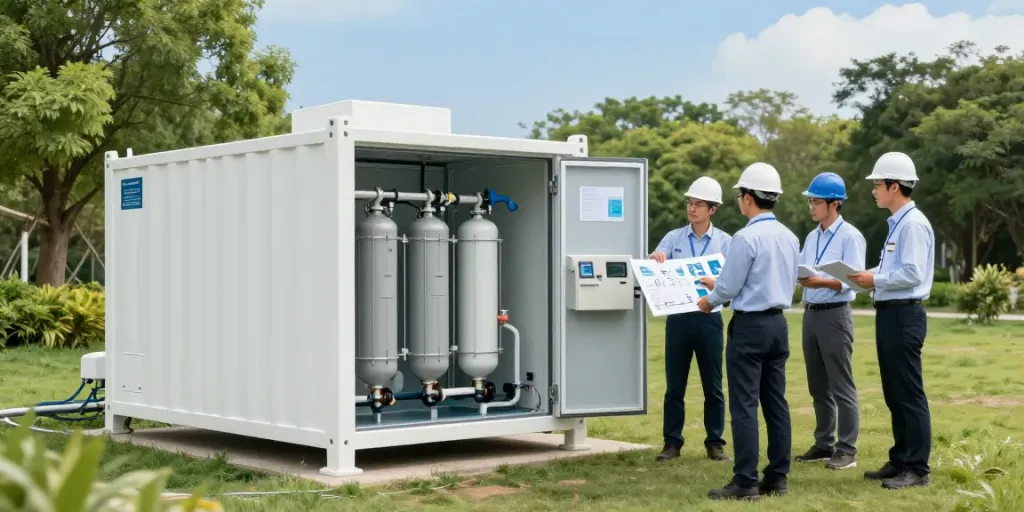
- Modular Designs: Containerized solutions are emerging as a popular choice due to their ease of deployment and scalability, making them suitable for diverse applications from industrial sites to remote locations.
- Energy Recovery Systems: New technologies that capture and reuse energy within the treatment process are being developed, significantly reducing operational energy costs.
The Role of Automation and Monitoring
Automation is transforming the operation of water reclaim systems. Automated processes reduce human error, optimize energy use, and enhance overall efficiency. Real-time data analytics enable operators to make informed decisions and maintain system performance, ensuring the continuous production of high-quality reclaimed water.
Implementing a Water Reclaim Strategy
Steps to Deploy a Containerized Water Reclaim System
Deploying a containerized water reclaim system involves a systematic approach:
- Assess Water Needs: Evaluate the specific water requirements of your application, including quality and quantity.
- Site Evaluation: Consider factors such as location, infrastructure, and regulatory requirements.
- System Selection: Choose a system tailored to your needs, considering factors like capacity, technology, and deployment time.
- Installation: Employ skilled technicians to ensure proper installation and integration with existing systems.
- Training and Support: Provide training for operators and establish protocols for maintenance and monitoring.
Choosing the Right System for Your Needs
The selection of an appropriate water reclaim system is critical. Considerations should include:
- Type of Wastewater: Different technologies excel in treating various types of wastewater, so understanding your source is fundamental.
- Regulatory Standards: Ensure the system meets local water quality regulations for the intended reuse application.
- Cost of Ownership: Analyze both initial investment and ongoing operational costs to determine the total cost of ownership.
- Future Scalability: Opt for systems that can adapt and grow with your needs over time.
Common Challenges and How to Overcome Them
Implementing a water reclaim system is not without its challenges. Common issues include:
- Technical Limitations: Understanding the technology and ensuring it is appropriate for the wastewater type.
- Regulatory Hurdles: Navigating complex regulations can be daunting; working with experts can help.
- Public Perception: Addressing common misconceptions about reclaimed water is vital for community acceptance.
Real-World Applications of Water Reclaim Systems
Sustainable Solutions for Municipal Use
Many municipalities are adopting water reclaim systems to manage their water resources sustainably. By utilizing reclaimed water for irrigation, landscape maintenance, and non-potable applications, cities can alleviate pressure on freshwater supplies. For instance, cities like San Diego and Las Vegas have successfully implemented large-scale reclaimed water programs for irrigation, thus conserving valuable drinking water.
Industrial Applications and Case Studies
Industries, especially those with high water usage, are turning to reclaim systems to reduce costs and environmental impact. For example, a prominent automotive manufacturer implemented a water reclaim system that recycles water used in their production process. This move not only cut their freshwater consumption by 40% but also significantly lowered their wastewater discharge fees.
Challenges and Success Stories in Remote Locations
In remote areas, where access to freshwater is limited, containerized water reclaim systems have emerged as game-changers. Industries such as mining and oil extraction benefit from mobile water treatment solutions that can be deployed quickly and tailored to local needs. Successful projects in regions with scarce resources have demonstrated the feasibility and effectiveness of these systems, paving the way for sustainable practices in challenging environments.
Future Trends in Water Reclamation for 2026
Emerging Technologies and Their Impact
As technology continues to evolve, we can expect significant advancements in water reclamation. Innovations in nanotechnology and biotechnological processes may lead to even more efficient treatment methods, enabling the recovery of water from sources previously deemed unusable.
Regulatory Changes Affecting Water Reclamation
Anticipated regulatory changes are likely to shape the future landscape of water reclaim systems. As governments increasingly recognize the importance of sustainable water management, they may introduce stricter regulations encouraging the adoption of reclaimed water systems.
Looking Ahead: Predictions for Water Sustainability
The future of water sustainability looks promising, with reclaimed water playing a crucial role in addressing global water challenges. By 2026, it is projected that advances in technology and policy will increase the acceptance and use of reclaimed water across various sectors, leading to a more sustainable and secure water future.